CAPTION
Mr.Michael Mr.J, is it better that hello, miss Leila?Hello, miss Kaya.See, you're both in, the meeting there.You is it best that we just
go with notepads and pinsand pencils versus laptops?Or,is it just her preference?Hey I, would say it's, a preference as,
as long as she's not over there I'm,from my age, I will say, as long as
she's not over there checking Facebook.But ain't nobodysFacebook.I use that Dont, don't do yourwhatever.And yeah, we're, yeah.You, use the are okay with me?Okay.Let's just get started then.I first like to thank
everybody for being here.I am very, excited that we are
not at this point of getting theleadership development kicked off.It is something that we've
talked about for several months.Mr.Michael, Mr.J Turner, who's in Tennessee and
myself, We've done a lot of workpulling this program together with
the hopes of it being fruitful forthe leaders themselves and also
Chick-fil-A, 12 Oaks, 12 oh Chick-fil-A.As we've mentioned before,
this is just something that'sunique in the Chick-fil-A space.It is something that we can't go
to any other Chick-fil-A and say,Hey, how did this go for you?And can you just give us a little
bit of help as to how to navigatethis terrain, that is not the case.We are pioneering this.We are hoping that this is gonna
be something that's gonna be longlasting, but more importantly,
it's gonna be something that youall will benefit from the most.And that's exactly how
we're hoping it to be.We're asking for you all
to be committed to this.We're asking that you all
in some regards, be selfish.in regards to taking the
information that is being presented.I'm, confident that Mr.Turner and Eddie J will be doing
a fabulous job in presenting.And I'm really excited about what
I'm gonna learn and my takeaways fromthis as well as I'm excited on what
it's going to do for each of you.And to just wrap up with this I,
look at this in terms of, we allheard of executive programs, right?Where you have executive mba, where you
have people going through programs wherecompanies put you through this accelerated
program to get to a certain level.That could be 16, 18,This training is, designed for 12 months,
and I view this as the same thing.You're gonna get some information that.Particular or germane to
Chick-fil-A, you're gonna getleadership development skill sets.And that is what's going to be important
for you all to remember, because when youwalk out the door, you're going to be able
to use those skills in your next endeavor,whether it's with another Chick-fil-a
location, corporate office, or wherever,or, and other, areas of corporate America.With that being said, I thank you all.I, know I've been a little bit of a,
pest and a pain in all of your ears andmaking sure that we're in attendance
to make sure that this is somethingthat we kicked off and that we continue
to be persistent and successful with.But I, do truly thank you.And with that, I'm gonna
turn it over to Mr.J Turner and also Kaya
and Kendra and Leila.Hello.Thank you all for attending.Mr.J.It's all yours, sir.Yes, sir.Alrighty just getting a
couple things set up here.I'm sharing my screen since
will be going from a PowerPoint.But I think we'll just kind do this
as, typical of my southern upbringing.My, my daddy always said you
can't really teach a class and youdon't know the people in the room.I'm gonna just quickly introduce
myself and then I want you all to goaround the table, introduce yourself
know, first name, last name, andhow many years you, how many years
of management experience you have.And that in those years of
management experience, they donot have to be from Chick-fil-A.But it is, I'm just curious to
know, just like how many years ofmanager, experience do you have?That helps me kinda calibrate the
room and calibrate the discussion.So again, I'm Jay Turner.I own my SS . I really do a lot
with for-profit and non-profitorganizations around organization
development and leadership development.Surprisingly I have a master's degree
in library and information sciences,so I I'm a librarian by trade.Now I haven't worked in a library for for
about seven years, but I'm a library nerd.I grew up in libraries started showing
books at a local library and I spentand not making a whole lot of money.And so I said, you know what?I'm done with this.It's for the birds.I still love the libraries.I still have 'em as clients, but I get
paid a whole lot more as a consultant.working for the libraries that are
working for the library directly.So life lessons Hey, if you like
public services maybe, you havea career in libraries, but you're
not gonna get rich doing it.Gotcha.So anyhow today like our session is,
it's called Leadership of Foundationsof Leadership and Management.And this course is really intended
for us to really look at ourselvesand become more self-aware so that
we can really start building thatgroundwork of that competency of
just being self-aware as a leader.Because as, you're leaving people,
the very first person you have tohold a mirror up is to yourself
and, to die self you must be true.And we, really gonna talk
a lot about self-awareness.That's some other fundamental things
around leadership and management, sothat hopefully today maybe there'll
be one or two golden nuggets, just acouple things that you might be able to
take out and say, Hey, you know what?I didn't know this before.Or, Hey I knew this, but it's
good to hear this reinforced.From somebody with some industry
experience and you can takeit and apply it to, to your
own learning and your careers.So with that said, that's
a little bit about me.I just wanna go around the table starting
with, my with my, dude here in the yep.Yeah.With the good hair, whatever,.
I appreciate it.My name's Nicholas.I've got two years of management
experience less than six months withChick-fil-A, and then a year and a half
with previous jobs that I've worked with.And I'm originally from Arizona and
just moved out here to Michigan in June.And I just contin want to continue mycareer here at Chick-fil-A.Okay.Excellent.All right.No.Yeah.Sorry.Hi, I'm Noah . I have worked at for
two years now, and I've been a leaderfor one, and this is my first job,excellent.Hey happy, to meet you and I'm sure that
they're happy to have you on board, Noah.All right.Who's next?Mr.Davis?Hi, my name is Em.I've worked with Chick-fil-A
since April of this year.I have, Idon't have I have notheld any formal management positions,
but I have many years of experiencein leadership and things like that.Yeah,I'm Daveon Williams.Been with Chick-Fil-A for 11 years.I would say I spent eight of those
years in leadership into management.I plan on I have aspirations
of becoming an operator.That's great, Dave.Hi, I'm Ashley.I have no management experience at all.It's all here.We obviously, it's like Skittles.We have the whole rainbow here.Okay.This is great.All right.And the person sending to the,
I guess that's Ashley's left.Yeah.Hold on.My name is Dominique man.I've been with fil-A for five and a
half years eight years in management,but three years in leadership.And then just look forward to
just being like a traveler trainerfor all Chick-fil-A's and thecompany.Oh, that's excellent.I, like that career path I would just
say if you are thinking about beinga traveling trainer I am working
with you all for the next year.If you want to just get together, talk
shop about like training and facilitatingand how to help adults learn best.I I'm a resource for you.Thank you.Look forward to it.My name is Guy.I have seven years of management
and leadership experience.I've been with Chick-fil-A
for going on 11 years.Allright.Yeah.So Guy you know what?All the dead bodies are
buried, man, yes, sir.Yes, sir.All right.And then lastly,oh I'm Hannah.I've been with Chick-Fil-A for about
two and a half years in managementfor about a year and a half with that.Okay.My name's Eric.And I've been, had manages for about
two years now, here at Chick-fil-A.That's me..
All right.So, this is actually,
this is very helpful.We got two more.What's that?We have a few more.Layla and alums.Three.Mark.Go ahead.I'm Layla, like Ashley.I haveno formal management experience,but I've held leadership
positions in other places.. Allright.. Excellent.Sorry.I'm Kendra.I've been with Chick-Fil-A
going on three years now, andI've also had no formal
management experie.All right.I'm Kaya, and I've been with
you-I for two years, , and Ihave no management experience.Right on.Right.Don't right on You I have no managementd . Allright.No so again I see you Cordell.Yep.You got a hand?Justone thing.Mr.J on your end would you like
for us to adjust the camerain here for you in any way,or are you good?I think I'm good for right now.I can see everyone I the people who
are closest to the monitor, yeah.They're kind cut out.Okay.That's, a bit better, right?Yeah, we're good.We're good.Okay.All right.Thank you.Okay yeah so we can, you all
have a gamut of experience here.From folks who've been who've had
managerial positions for eightyears, almost 10 to so you got
a handful of folks like that.few that have just a
few years of experience.I, think, I mean we had what maybe
like some fours or some fives.Then we had a couple folks I wanted to
say that had one year and then and thena few who have no years of experience.This actually is a good thing because
in a class like this where we will behighly interactive and will be talking
a lot to each other that diversity ofexperience is really gonna provide some
rich conversations also along those.No, I'm gonna ask that.I mean that we, that whatever formal
titles you have at Chick-fil-A,you just put 'em away for today.We're all here at the table we're
all equals we're just going tojust talk as equals And and then
finally Vegas rules apply here.If we ever find ourselves in a
situation where we are having totalk about something that's tied
to the restaurant and maybe likesomeone's name, is tied to that.These things, they do happen
sometimes, and that's okay.It's just that I'm just asking, you
always hold right hand and just likeswear scouts on it that whatever we
talk about and if we have to talk aboutanybody in particular that we don't
go back and bring it on the floor orback backup house and start talking
about 'em outside of this classroom.Okay.Alrighty.With that all said, and they got
a sense of all of your experience.I want to ask you a couple
things about management, okay.And let's see.Are you able to see my
slide on the screen here?Are you all seeing the foundations of
leadership and management slide, or areyou just seeing my big old fat head?Yes, your beautiful face.I, I gotta be honest, man.Hey, man, for 43 years old I'm
a good looking guy it ain't,I'm a good looking dude.J we found out I still need to change
that input to see those slides.Okay.Yeah, So ahead inputs
and take to the slides.We have the slides and we can hearyou.Okay.Excellent.Just a quick opening exercise.And I want you to just talk about this.Just find a person like to your left or
your right is just a quick pair of share.And then just talk to someone about
what do you find most challenging aboutmanaging people and what do you find
most joyous about managing people?Now, of course, I know that we
have some folks here who don'thave any managerial experience.So so for people who don't have any
managerial experience, you can talkabout what challenges do you think
you're gonna have when you're amanager, and what joys do you think
you'll have when you're a manager?Okay, so let's just do that real quick.Two minutes.Just two minutes.Talk to a person next to you and let's,
see what kind of conversation we get.What I find most joyous is, to
see like tune work and I, whenthey are doing everything ofand then's some, and it's just,it's like a transla,
can you put in the wordI can themto cut em and see them, and
then to see your team just likework on themselves to be there.That'll be like, that's with
a personal level as well.That kind of, it's challenging.likeevery, tend to kinda like, always
like to change is always challenging.Like you're to in ideas to, to get freshof that managing.Everybody on How to word, but just
the challenge, like as a collective,it's to do the conversation.Yeah.Yeah.I would say probably about the same thing.It's, the synergy is amazing.Find that it's, but also,and when it this challenges, that's when
the, you get that in to think, implementThere's one minute left.So you, your second question,
just hop to the second one.One minute left.Even if it's just like a of
you, then it's like you stillhave . So to understand the money.Does that make sense?Yeah.I think that helps a work relationship
a lot, but for sure helps taking over.Is Elyokay?I think the room, just like
everybody on queue, just stoppedtalking at the same time.So I'm assuming we're finished.Alright.So this just get a couple
people to share out.What, are some of the most, what are
some of the things that bring you likethe most joy around managing folks?I guess it would be the opportunity
to teach to teach people something.I guess that'd be the most joy that I get
out of it, is just being able to manageand lead a lot of the other team members
into learning something and that they cantake somewhere else to better themselves.Yeah I, like that.That's really profound.When I worked for the American Red Cross,
our c os, chief Operating Officer, hewas really big on developing others.And mind you, this is an organization
that, that employed 35,000 peoplein over two 50,000 volunteers.His name was cliff Holtz.And Cliff he was he, had that
developmental mindset and he saidthat he hopes to develop his team
and, others within the organization.So that one day that, that someone
is ready to take his job so that's,altruistic development right there.Like, when you really are like, wanting
to develop someone it we, developthem from a mindset of abundance.It's it's like they, like people have the
ability to learn and to grow infinitely.So, I just, I wanna say
I like that answer a lot.Anyone else have a joy about managing
people that they want to share?Yes.I would say just getting like the team,
like harmonized and like working towardsthe same thing is joyful to see us
like all working towards the same goal.Yep.No that's, absolutely great and.And we know when it comes to employee
engagement, the more people that youhave bought in to, like the, to like
the mission and the vision and yourimmediate objectives, that the better
the machine's gonna work, and and,the more harmonious and enjoyable
the work environment's gonna be.So I think that's great.All right.Let's just get one challenge from someone.What's one of the most challenging things?I would say the challenge is as a young
leader, young manager, you tend to tryto put make everything go smoothly.And sometimes that just doesn't
happen because you never know.Like call offs.You gotta plan for call offs.You also gotta plan.It's just a lot goes in with running a
shift that is sometimes can be challengingbecause of the fact that you're, I would
say for me as being a young manager isjust and then coming in from another
store to a restaurant you just have to,I think that's one challenging thing
is not knowing what's gonna happen.Cuz everything can work together in
a hundred percent and then one thingfalls and then it is like your whole
shift is like basically falling apart.So that's my, that'sfor me.Yeah.No and I get you and that around my
scheduling is, that's not just endemic toChick-fil-A or the restaurant business.I just go back to my experience
as a librarian, right?The bottom line is y'all sling chickens.I was sling books.But but the bottom line is you have
to have enough bodies in the buildingto keep the, to keep the business
running and to make sure that your,customers are gonna be happy and safe.And, so you're right.Scheduling is is a very big
part of what managers do.I would dare say that from a functional
perspective I, think scheduling andmaking sure that you have enough bodies
to cover the shift is probably and Ihave to defer to Mike and carry on this.But I'm thinking it's probably one of
the most important things that, you do.And so I can understand the
pressure being there as a young.All right yep.There was lot of really good
discussion I heard going on.Of course.There's not enough time for us
to, unpack all of it, but I'msure that we'll be coming back to
a lot of this stuff as we go on.So I wanna just talk very quickly
about what we're doing today, ourpurpose purposes and objectives.Again this workshop is all
about demanding, developingyour managerial skills.It says library success.I I forgot to change that word.It's not a library , but developing
the managerial skills for thesuccess of the restaurant.And whether, we are talking about
restaurants or libraries, the bottomline is there are essential compet.Around management and leadership
that are research based.And it doesn't matter which industry you
work in, those competencies are the same.And, I want to introduce those
competencies to you today so that theycan really serve to be a foundation of
your overall leadership development.Three things that we're gonna really
be talking about first is demonstratingself-awareness, and then we're gonna
talk about this differentiationbetween management and leadership.Because in my experience, and
I've been around the block for awhole minute people tend to use
management and leadership oftentimesinterchangeably or to delineate one
level of worker in an organization from.And those two things aren't right so
I want to just really talk about anddisambiguate what, do we mean by managing?What do we mean by leading and why it's
important that we know the difference.And then finally we'll, get into
discussing ways to ensure that when youare leading a team, that you are being
mindful of the, of how engaged your directreports are so that you really can have
an environment that's running on allcylinders and the ceremonious and people
are bringing their best selves to work.All right, so I said that we're gonna
talk about self-awareness and andso my question is, the first, thing
here is like, what is self-awareness?Alright?So anybody just out there want
to volunteer a response to, whatdo we mean by self-awareness?I would say knowing how your
actions affect other peoplearound you when you around there.Yep, absolutely.I And that's, it in a nutshell.Self-awareness really is it is being
conscious of of your own character,your feelings, your motives and desires.Now, remind now remember that this
class is about the foundationsof management and leadership.And with that said, why do you think that
we're starting with self-awareness firstand foremost while, we starting withself-awareness?Because if you do, or if you are not
aware of yourself and how you operate,And knowing of your character, it'd
be very hard to operate and weed otherpeople in the direction that you see fit.Yep.That that's, absolutely it.We, start this session with self
awareness because again, we have torecognize what we bring to the table,
where we're strong, and then also whatour opportunities for development are.And, as we work together, you're gonna
hear me oftentimes refer to weaknessesas opportunities for development because
I, really don't like the, term weakness.Yeah, there're all, there are things
that we all can have that we allhave an opportunity to get better at,
but it doesn't mean that we're weak.It just means that we need to be better.So that's just a little, preview of to
come and how I talk about these things.But yeah self-awareness, it
is, but the most importantthing is the key ingredient.So that we can become aware
of our own behavior so that wecan be better leaders overall.Okay.No, that's,I wanna talk to, I wanna talk briefly
about the characteristics of howthe effective managers, now there is
there's, a research organization thatdoes a lot around executive development.They've been like in, they've been in the
whole, game of leadership development,executive development for, gosh, at this
point, almost a hundred years, they callKorn Ferry, k o r n f e r Y, Korn Ferry.And Korn Ferry, this research and
executive development and leadershipthink tank, they have identified through
research with a whole lot of researchthe three characteristics of effective
managers, and again, these characteristicsof effective managers or cross cutting
across industry, across sector.It doesn't matter if you're in tech
or you're sl a chicken or you'reslinging books, like it doesn't matter.Like these are the three things
that an effective manager must have.And how the effective managers,
according to Corn Ferry, theyhave the knowledge, right?And so a high performing manager
has not only the technical skillsto do the job but they also have.And they develop business skills
that, they need to prioritize,plan, and make effective decisions.For, some of my newer managers here,
or people who have not moved intomanagement there's, a caveat I wanna
put out here, and that is when, wethink about your knowledge, right?Your, like your technical skills.Technical skills are a double edged
sword when it comes to your forayinto management and leading other
people because you can be highlyproficient at what you were doing in
your past job and that right theregets you the street cred, right?That gives you the attention and,
people saying, Hey, This person is isa really good frontline supervisor.I think that we can make them
a junior operator, right?Like that set of skills gets you to
the junior operator level, right?But will those same skills ensure that
you are successful as a junior operator?And, the answer to that is no.So I, I'll just, I just putting that
out there and you have to realize thatwhenever you're making a, jump from one
managerial level to another, or froman individual contributor to a manager
what got you here won't take you there.It won't take you to the next level.So, technical skills,
they're double edge sword.You have to you have to
have those technical skillsso you can help your team.As you are, working as a manager,
you have to really lean intodeveloping the business skills around.Planning, organizing, and executing.All right.Then the second characteristics
of a highly effective managerare your interpersonal skills.And this is what's at the heart of
who you are as an effective manager.These are the internal factors.These are things that are gonna
show through like your thoughts andattitudes and values and beliefs
that show through in your actions.So this is where stuff like integrity
character and authenticity, thatlike those things all show up inside
of those interpersonal skills.And then also how the effective
managers have a really high degreeof emotional intelligence, right?And so they're able to communicate
effectively with with, everyone,whether it's above them, belief
them side by side with them.They can do that.And then finally, when it comes to
your interpersonal skills, this isagain, where you are self-aware of your
strengths and your opportunity areas.All right?And then we get down to the third
characteristic that Korn Ferryis identified for an effective
manager, and that's driving results.So we know that highly effective
managers they are action oriented.That means that they don't talk
about it, they be about it, right?Like these people actually they
know how to get the work done.But what makes a highly effective manager
when it comes to driving for results isthat person is able to balance two things.They would balance the work as well as
the needs of the people that work with.And I just I, can't reiterate that enough
because I'm just here's a question.Just raise your hand.Have you ever, worked with a manager who
was really, good about getting results,but they did so by totally breaking the
spirits of the people that they work with?Exactly.So , I'm just saying it's a thing like
that, like this characteristic is onethat I've seen so many of the people
that I coach struggle with the most.It's they're, graded.They're great at implementing projects.They can manage change, but they
cannot but they do a really poor jobof managing, developing their people.And just taking care of the
fun, the fundamental humanneeds that staff members have.Okay, so now I've gotta give
y'all a little exercise.Do y'all have like white
paper on your table?Black paper?Yes.Yeah, white paper.Here's what we're gonna do.So we talked about the characteristics
of an effective manager, and I'mnot, I'm gonna I'm gonna break this
down into the way that I rememberthese characteristics, right?So,your knowledge, your skills,
and driving for results, you.So, yeah, y'all get, y'all gonna get
to do a little art project, right?.
So here is alittle picture of an outline of a
person you can try to replicate thisoutline, draw a gingerbread man,
draw a stick figure or whatever.Alright?And so what, I want you to do
is you're gonna be consideringthose three effective, those three
characteristics of an effectivemanager that I just talked about.Knowledge, interpersonal skills, and
driving for results in, in, light ofwhat I call head hard hardened feet.Okay?So your head is your knowledge.That's like the knowledge of what does
it take to be a highly effective manager.What do you need to know to have the
business skills and the technicalskills to, really execute at take away.and then and then at the heart section
like what, do you need to feel like, whatdoes a manager need to feel in order to
be successful as a manager at Chick-fil-A?And then finally, your feet
like driving for results.What do you need to be doing
on a regular basis so that youcan not only get results, but
also take care of your people?So I'm gonna give you all and I don't
know if we need a four or six minutes,we're running a little bit behind.I'm gonna give you four minutes on this.And, then just on your step figure, just
off to the right or to the left, whatever,just what, you know for, like what, so
for the head what are the business skillsand technical skills that a manager
needs to be successful at Chick-fil-A?Write those down.Then when you get to the hard area, like
what does a successful manager at CHIPAneed to feel in order to be successful?And then when you get down to
the feed area we talk about whatactions does a manager need to be
taking in order to drive resultsand also take care of their people.Any questions about that?Nope.All right.I will start the timer.That's not worth of the assignment.You have to,I'm not going into that depth.Yes.Alright, so what.I, think I see many people
with their pens done or do westill need the additional time?Just raise your hand if you need,
the extra time or if you're good.Okay, that's fine.I have a complaint.My partner's not doing the correctly
Finished with the assignment.What?White exactly?White.White.My aspiration.. . racist.When you're Yeah.Like eating your actually's.You . I have a friend likethat actually.. You got, you be.Wow.It's, I'm serious'.Cause a friend likethat,Okay.Because the pursuit of the photo
is not gonna take the pictures.And that's actually me.They have the flash one
I, you can even see later.And the last picture he said,
why was he, so he took it right?I think it was Andrew, butall right, about 10 seconds leftsome.Yeah, that's actuallyokay.All right.So here's what I want to do.Now let's, actually divide
the table into half.I guess my, main is it Dave down there?Yeah.Excellent.Dave, like your side of the table, y'all
are gonna talk about what your, whatyou all put inside of your pictures and
and, come to an agreement after you heareverybody's feedback on what what does it
matter, need to know field be able to do.And then, I'm sorry, I'm
blanking on your name.Ashley.Ashley.Okay.Ashley.One side.Y'all gonna do the same thing, just
kinda talk about what you put andthen maybe y'all would just draw
like a consolidated gingerbread man.Has the overarching themes of your
discussion for head, what would likesome of the common ones for head, what
would some of the common for heart,what would some of the common for feet?And after we get, those two new
gingerbread men drawn, we'llsee how they compare, right?See if we all are in alignment
on what does a successfulmanager look like at Chick-fil-A.All right, so I think I can
give y'all yep, let's giveyou five minutes to do that.There we go.And we'll see what we get composite wise.So there you go.Put it through your teamsanddefinitelyno's, processes your side.Yeah.Whoa, dude.Do you see this?Take one.Like knowing the process, how the
business and how it's supposed to run.Not necessarily related Chick-fil-A,
but wherever you're leading or managing,I feel like you need to business runs.Know the processes of the business.Empathy was the first thing
that I wrote down had I alsothought being able to learn.I, think all three need two important
skills that would be communicate.We need to be able observe the,and then was for all of them.If you can communicate to your team,
you'd be able to, what they need ableto communicate, process, business,
tasks, processes you need to take,being able to communicate on your feet.HasI just anything that relate
week, but any of them duplicateyou that for heart feel empathy?Yeah.Oh, were you in all three?Yeah.Or I'm on day.Can we heart there?Yeah.Do you have anything for, not for heart's.Its patience.Emotional intelligence.I feel like that's a hard thing.Or maybe it planning
intelligence, head of heart.I could say planning as well.I have similar thing down from experience.I, had a, I alsoempowering, that's a one and I
also wrote down, runs along thesame lines with them and all that.Being compassionate as well,
the team to something to learn,like being able to communicatethequestion doesn't ask forTrust the foot.I had guide people where I needed.There you go.I look awaytoo much with the lead because you
wanna walk what you talk, in my opinion.Someonedoing ourfinal, you read if you don't
want tell, always do a task.I don't say them.Ill willing to do the task as well.I just threw it on the other side.Oh,do you double the head processes,
communication and observation.And then for middle part, empathy,
communication and observation.And then the last one is
planning and on is how you justlot of passionate about Yeah.To do it well can it for heads and trusts?It with doing that.Cause if I can't and if you don't
trust, that might be having thatpassion might be a part thing.Honestly all emails not
compassion, passion.Yeah.Compass you said that
might be a hard ones out.If you can plan for it, that'll be fine.That's part of motivation for now that
you're telling I can definitely plan.Find coverage.Yeah, you can coverage me.You guys going on that side?Yes, sir.Mr.J I think we're giving
you a minute back, man.We're allset.Okay.Sounds good.Hey Cord, just real quick, are you able
to see me like my face on the screen nowor is it still my, it was still my slides.It's still the slides still the slideand the, just the gingerbread.Yep.Not important.All right.You want me to change the input?Nope, Okay.Alrighty.OkayLet's get a representative from each
team to go through their go through.They're tend to it, man.the the spokesperson for, Dave's team?I guess it'll be me, right?Forehand, we went with
knowledge or just knowing learn.Did we say that or did I say that?Yeah, I said that.You did not say that is perfect.Learning being the having
the ability to learn.Another head piece
would be being peaceful.I think I wrote on mine, I
said peaceful and clear minded.Focus.Focus.Yeah.Professional.Excuse me.Professionalism was
another piece for the head.You want me to continue
down to the other two parts?Uh,Yes, please.Okay.For heart we have patience,
emotional intelligence, empathy,compassion, and then just passion.And then for feet, taking action
giving guidance when you'retaking action, creating an
example and then being purposeful.All right, very good.There you go.Round applause for Dave's.Team it up for me,
team, what do y'all get?Okay.There are a couple that go for both
or for all three of the head, heart,and feet, so you'll hear every repeat.For head, we put know the systems
and processes, communication,observation, and trust.For the heart we put empathy
and trust, and then as well ascommunication and observation.And for feet, we put planning, empowering
others, communication and observation.Hey, I love it.There you go.You're ingright.This is all.Hey, y'all did great on that and
I couldn't have said it better.I need to go back.Just a slide.I'm assuming that everyone here probably
has like a cell phone or whatever.I have like your handouts.I try to do these things
digitally so that, we're nottearing up trees and, everything.So I need to find what I did with
the QR code for your handouts.So that, name it.Here we go.Yep.Yes.Back on the objective screen,
if y'all can just scan that QRcode really quickly, that's gonna
give you handouts for the class.I'm sorry.It's saying that it's notfun.Look at the donut.Cute.Here,let me give you the link to it.Let see the direct
links for your handouts.That's donut everything.Bagel.Yes.Or Bagel.That's definitely a donut.It'sbagel.It's bagel.Bagels.A bagel.Its I dt Know what have that.If y'all everto show the 3D effect.Don't, it's just high.That's what I was saying.Sunflower Bagel.No, they don't.Sunflower bagels as we had the chicken.Oh yeah.We used to.I'm, you didn't know that.. I didn't like that one.I'm a list.Do , let go make you one real quick.Oh,in here real quick.So y'all can just, you can put it in.It's okay.. .
I'm . It's like ones like a , oh's.Other plates.Okay, so Jay, will this be a website?We need to go to Eric?Yep.There you go.It's,I can't wait that.Okay.I'm sorry if you small bag there.Dot io.Perfect.Still says, thank you for saying that forThat really made me realize,
I'm think I found myToday's out all right.That it still not found.Yeah, it says still not found.I got it.It's still bagel still.Quarter, something.It works, it worked for me.It's, I got it.I got it.You guys got iPhones or something?Bagel, can you send me the link?This isn't, oh, yeah.Still run up on Apple.He Could you text me the link?I can You just go ahead
and make each Oh my gosh.Okay.She said I did not say all that.I'm just gonna put it in the slack.That's about great idea.Put it That works.Put in the, yeah.Yeah.That was my, that works perfectly.Don't do that.. That's when it comes in handy.Eric.Sometimes you gotta be a team member.A team player team will not be able thatempathetic peerto I saw he said that.What?No, I said noout.Everybody.Hold on Time.Out time.We, you should be all included
in another Slack channel.The Emerge leadershipdevelopment portal.I noticed not many of you accepted
it, but you should be there.Accept That'sI'm, gonna put the link to the
handouts also in the channel right now.Okay.Daveon.We didn't Oh, already did it.Look at you off.That's great.Okay.Oh, that's me.Video that was no.Oh, never.Oh yeah.And if we could use that Emerge portal,
the one that was created specificallyfor this development that, wait,
you didn't put the, put 'em both in.Keep some of the confusion out.All right.Welcome.It's sofor people who have not, if
you do not have a handoutright now just, show your hand.Don't have them.Its a issue.It, he should brought, his
iPad should have been prepared.I'mquestion again?We have his, I just need to show up hands
for anyone who does not have the handout.Okay.It's good.Okay.So it looks like everybody's
got 'em all right.Because you will have some homework.Self-directed homework,
but homework all the same.Okay, so let's talk about.Competencies.Back to the presentation here.All right, so competencies are,
again defined by KO Ferry asessentially the, basic ingredients
of success that worked at work.And they can be distilled into skills
and behaviors that you can observewith the key thing being that that,
you have to be able to observe them.Competencies include things that are
functional and technical skills, likewe talked about, Hey there, there's lots
of pieces of equipment at Chick-fil-Athat you have to know how to use, right?You have to have a lot those al skills,
but is also the management skills that youneed in order to be a better leader to be
more resourceful, to show more courage,and to exercise better decision quality.So the reason why we're bringing up
these function around these competenciesis because inside of your handout
packet, on the second screen, there isa handout for a competency assessment.And that assessment is, really giving
you an opportunity to see how wouldyou stand up against the five core
managerial competencies that Korn Ferryhas defined for a highly effective leader.I'm not gonna read these.You all are intelligent people.Hey, if you are working at Chick-fil-A,
obviously you can read, but these arethe five, these are the five recover.For highly effective leaderYou have to be able to drive resultsPlan it, line.Situational adaptability, decision
quality and directing work.Those are like the five overarching
themes, the competencies that youwill be assessing yourself on in
the competency assessment in thesecond page of your handouts.I'm, just gonna talk you through
how do you actually do thatassessment really quickly.Andagain this is for homework.And it is just for your old posterity.I really encourage you to do it.Because I think you've gotta learn
a lot around yourself and you'llbe able to spot areas where you're
strong and areas where you do havesome opportunities for development.So let me get this
resource packet for you.Let you get there.You just downloaded it.Okay, here we go.All right.And on the screen you should
be able to see a PDF that hasdown the left hand column.These are all those competencies,
those five manager competenciesthat were outlined by Korn Ferry.So driving results, planning and aligning
situation or adaptability, et cetera.The competencies go down the left
hand column off to the right.You'll see that each competency has
behaviors or descriptors that areassociated with that competency, right?And so what, I'm asking you to
do is for each descriptor orbehavior associated with that
competency, you need to indicate.If that behavior is a strength, basically.You're a rockstar at it.So, basically when it comes to drawing
results, if you have a strong bottom lineorientation and that's like core to your
dna, like you always look at the bottomline, you know that's a towering strength.You're a rock star at it,
you're a market as a strength.But let's say that you're looking at the
second behavior of the driving for resultspersisting and accomplishing objectives
despite having obstacles of setbacks.Maybe Maybe when the wind blows too
hard or if you get too much resistanceyou, fold on the pressure, right?So maybe that might be a weakness or an
area of opportunity for you to develop.So you would mark that as area
of opportunity if, that isindeed an area of opportunity.And then finally, the third choice
you have when it comes to rating oneof these behaviors is skilled skill.Just means that you're okay at it.You're not you're not a rock star
is also not your achiles tendon.You can do it 70, 80% of the time,
and the results are going to workout the way that they need to.Again, what I want you to do is for each
competency, go through all the behaviorsand just indicate Is the behavior,
strength and opportunity or skilled?In my experience, I've done this for
myself, I've done this for a lot of teams.I've done this assessment for
CEOs, for lawyers, for pharmacists.I can tell you that I have not met a
single person who is strong in everything.I'm, thinking that you might not
be strong in everything either.But before we do this is because
if, we're already like really strongin a place there's, a couple ways
you can look at developing, right?If you're strong as something, you
can do what Stephen Covey says,and that's sharpening the sword.So if you're strong as something, you
can become even stronger at it if youwant and if it, fits like your career
goals and it fits the position thatyou are in as a manager sometimes.Sometimes it makes sense to be
doubly strong at something, right?But also too, you do have to take care
of those opportunity areas, right?If you have some opportunities
particularly if they are significantlyweaker opportunities, you need to
be able to fix those because whathappens over time is if you have a lot
of opportunity areas and you know itabout yourself and other people are
starting to point it out to you, thenyou might have what's gonna be called
like a career stall or a career stopper.I, do believe that we should play it
to our strengths as much as possible.However if you're, if you constantly
getting feedback from people aroundlike, a behavior or two that, that
you can improve in where there'ssmoke, there's usually fire, right?Yeah, just do this.On your own.When we, will have group coaching sessions
starting within about the next two weeks.I still have to get with Carrie about
that to get these lot to your schedule.But one of the things that we'll talk
about at the group coaching schedule, Imean during the group coaching session
is, we'll, we will be revisiting thesemanagerial competencies, assessments
and just having people share out as theyfeel comfortable how they rate it out.And then we can also think about
like, how can you develop in areaswhere you have some opportunities?Okay.Any questions around how to do that?Okay.Excellent.Okay.So now, that we've talked about my
self-awareness, I want to get into thedifferences between managing and leading.Dave does your hand up that
you have a hand that came up?Yeah, you can disregard.It's fine.Okay.You sure Matt?Yeah.Yeah.Cool.All right, soLet's talk about our second objective
then, and that's managing and leading.So again like these are terms that,
people like literally just talks aboutnearly Willy oftentimes sometimes they'll
say management and then leadershipand usually interchangeably the same
sentence, or they'll use it to kindadistinguish, Hey, the guys up at the top.Like Mike Mike, your owner
operator, he might be like a leader.Some of the shift managers
are like managers, right?And that's not right.And there's reasons why we do
need to have this conversationaround managing and leading.But don't take my word for it.I'm gonna play a video from a
professor at Harvard University.He's at the Harvard Business School.His name is John Co.Now, mind you like this guy, he's old.He's old.He's not exciting to listen to.There's only five minutes.But he has about as much energy as like
one of the walkers from the Walking Dead.He's, other than that, yeah.But, I think if you can just
listen through his mumbling andreally hear what he has to say.He does make some very good
points about how to distinguishbetween managing and leading.So with that said, I'm gonna
play this video by John Hunter.And we'll talk about the differences
between management and leadership.The two words,management and leadership
are often used as synonyms.That is to say people don't even
notice that in one sentence.They're saying one in one
sentence, they're saying anotherand they're thinking the same thing,whatever.It'sOr they think that the guys on top do
leadership, whatever that is, and theguys in the middle or lower do management.Both are wrong, both are dangerous, and
both are increasingly a, problem in aworld that's changing faster and faster.Let me explain.Management has, believe it or not,
mostly been invented in the lastcentury as we've created these
modern things that we take for grant.Large scaleorganizations and it is about
a set of processes that makesomething function.Despite the fact that it can
be in multiple locations manypeople complicated products andfunction inaway that if you talked to
somebody even 200 years ago, theywould've told you you can't do that.You can't have thismany.Yep, nope.People in this many places producing
this complicated this stuff andmaking it work well, you can.We've invented it and
it's called management.It has parts associated with
planning, parts associated withbudgeting, parts, associating with
organizing people, staffing the jobscorrectlyParts associated with measurements
and controls and big pieces associatedwith smart problem solving techniques.When action goes off
of plan now that is notwhat leadership is.If you go down through history
and look at people who everyonetalks about as a great leader
they don't talk about that stuff.They talk much more about vision.They talk much more about
people believing andbuying into that vision often through
various methods of communication.They talk a lot about
energy and empowerment andmotivation and inspiration.Andif you ask yourself what if management
kind of rungs this organizationthat shouldn't be able to function?It's too big, it's too spread
out, it's too complicated Whatleadership tends to do, it tendsto be much more at the heart of
creating things in the first place orchanging them in significant ways to
take advantages of opportunities orto duck hazards or to take a group.And literally the same peopleare getting them to paythe behave in new and
different ways of produce.Much, much, better.Outcomes.Now,the problem today is that most of
the time when we talk about eithermanagement or leadership, we're
really talking about management.If you look at business schools, including
the one that I've grown up with and spentmy entire life in Harvard Business School,and you look attheir curriculum it's
almost all about management.Literally 95%, maybe 5% about leadership.Now, there's nothing wrong
with that because peopleneed tounderstand these managerial processes,
and for most people early, in theircareers, if they can't master that
stuff, they get themselves into trouble.Buthere's.Increasing the, world is moving faster.Increasingly,organizations have to keep upwith that speed.Increasingly, they need to change.And therefore, increasingly they needpeople who can provide leadership
and not just at the top, but inthemiddle and even young people
doing projects or being the headof a task force at lower levels.And if you don't understandthat they are different, the functionthey serve and why the leadership piece ismoreimportant, and also why it's notthat one is good and one is bad,
but you hear sometimes leadershipis great, management's bad, butthat they're both.It's just a matter of, one piece is
growing in importance and we don't have itif youdon't understand that it's
a real liability these days.All right.That's, my boy jk Got say about it.You dropped a little
bit of knowledge on you.Hopefully hopefully y'all
got some takeaways from it.So first I have a brief exercise
that I want you to do nowbased on the conversation that
Carter just let us through.Okay.Cordell, do you have the post-it notes
out, you have sticky notes on thetable?I do.All right.Cause here's what we gonna do.It's gonna be a quick one, but yeah.Give each person like a
stack of Post-it notes.Things are expensive, Jay.Oh, I really.
Howmuch are these days, man?Everything is going up.Price.We'lltalk offline.Yeah,you say a stack, would you
say six or seven or 10 or 20?Man, I would say maybe about 10 or 20.YouThanks.Hey, Cordell, I thought you ball man.I thought you had themoney.. Ah, man.This Mr.Michael's doing.How's that here?You guys have at it 10 or 20 ish?So I guess , it doesn't
make sense for me, right?Can't be if you can.No.Is two salmons salmon?Actually, they're all
wait . There's no salmon.Extra expert.Is it salmon or salmon?It's salmons salmon.Anyone need more stickies?Salmon's you proper.Or salmon?Whatever's not the whatever's it's,
these are plus this one we speak.I didn't say that was non
typhoid, salmonella, salmon.Here we go.Near this.Okay, here we go guys.Take the water.Water.All right, so here's what I, here's do.Quick brainstorm.Actually I'm gonna make it two minutes.We keep it and tight here.Two minutes.Take two minutes.And I want you to think about the
task that a manager at Chick-fil-Aperforms on a daily basis.Okay?For each task, write one
task on a sticky note.So only one task per note.And I know Cornell and Mike gonna
be like, why can't we do multiples?The exercise just like design that way
y'all gotta come outta pocket for themost sticky notes, man, it is fine.But yes.But yeah, so just that
one, one task per note.Two minutes.Just write down as many of those
managerial tasks that you canthink of in two minutes and go.Don't do this.IYou might need more sticky notes.Let me know.No, I'm good.Are you stuck, Jay?At least I think.I hope you're gonna allow us to archive
these and take 'em with us and bepart of our ever growing portfolio.. Okay.You're make a piece of, I'm
saving my space, so I'm excuse me.quality over time.I mine's quality.That wasn't the assignment, butdifferent.See, that's the thing about
class's and it's based onfollowing True not our class.In this class.That's whatI, dunno what else you.I'm doing great.She's not doing's on track.We're she's, he's not number four.I'm not number, actuallythree, two, I think one I
think's I need to look at.All right.It's, okay.It's okay.Because I trust that there are
a lot of intelligent people inthis roomand when we go to the next leg, this
exercise like your, a cumulativeresponses are going to work out for us.So here's, what I want y'all to do.So as, one team at the
table Divide your taskinto managing andleading task.Okay.So I don't know Cordell, you wanna
put a paper on the table for them touse, do that or they can just edit the.
How would you guys like
to have it like this?You wanted said I could rip one of
these off, put it in the middle andguys divide it and kinda do leadership
and then I'm gonna do that on here.You just wanna do it on register paper?Is that the only wall
that's, is that one too?I just on the wall.And then what?The other one isMr.J, just to confirm, is this
size size a side, b side ofthe table or everyone together?Everyone together.Everyone together.So we should have one, one
consolidated list, right?Yes sir.That's fine.Yep.And you gotthree minutes and 40
seconds to get it done.Okay.So Nick, you're gonna be the onewhoOh, you got do.That's not what we're doing.Yeah, I, how my, like this.Oh, kidding.Yeah.Just literal.Just later.We can't on flip up.I, let's use our motor.What you guys, I don't want
any reason through labor.Don't really em up.Okay.Information.Do that communication
strategy be like creating ums.I thinksI think that's the guess we're
that's not so to thinking.Anyways.Communication inspir,
we'll be got, we got here.Think we, is this when we got think
about face, the, this is all Okay.Did I put that down?I'm, that's all's right.Here is really all the management.This is management from
Manage , this Benjamin side.Am I leaving?Is listening.Ashley A or leadership is.Listen, that might be that, must
be so hard for you tomorrow.That Teal is and this teal
leadership, I'm just writingdown stuff that I, what was this?I do truck order every day.I forgot to put truck.That was like the first,oh my god, I didn't Making good
things end of month or truckinventory the most we can start
with and of month end beingprobably about aminute and a halfof month.So something that intermediate count do.You can do daily.You can do a daily count that I
think some of these are like double.You got it there?Yeah.Good there.. Lot of managerial stuff going on here.Yeah.Which is a good.I a and then we're gonna be very similar.I see.I've seen your checklist three times.Lady buddy.I would've said checklist
was more leading.Hey, I don't know how we're doing on
time, but as far as the ums, what weEd wasNo, Four.
Yeah, I know we're, down.Know you's got 10 minutes or
eight depending on which clockyou're but I'm on it, man.We're gonna finish on time.We're gonna finish on time
cause we're a big dude.I'm flexible and I'm
flexing all over this thing.Alrighty.We the I think we've got the theright.Good.Okay.So, who wants to just talk
me through some of the task.You don't have to do all of 'em, but just
somebody read a few that are managing anda few that are leading and if you had any
that were problematic and you couldn'tquite say they were leading or managing
let me know about a few of those as well.All right.So who, who's gonna volunteer
to be the the town crierthis time?You volunteer?I got Nicholas.So a few of the things that we have for
managerial things is just just checklists.I've seen a lot of sticky notes
doing so completing checklistschecking speed of service.Yep.Handling guest concerns, issues
I've seen like opening the store.Closing the store making
sure your labor is on point.Truck ordering, cashier accounts
repairs and maintenance.What else do I have here?Checking Slack to make sure if
you have any call offs or anythinglike that, or anything that
needs to be discussed in Slack.Schedule planning, shift planning
just just along those lines tomake your shift run smoothly.And then a few of the things
that we got as far as leadership.We have lead people with
excellence to train the team.Communicate with team,
interviewing, hiring training.Again prepare daily setup,
send people on break.That's more management.Yeah.Maintaining happy work
environment solving problems.Let's see, and I think a couple more
that I got here is coach up the teaminspire and communicate with team.All right.And, then just outta curiosity for
everybody else were there any tasksthat were, that you found that were
difficult to categorize as managingor leading that you have any that,
that, that were not mutually exclusive.Yeah.What you got?Yeah.No, so like for the most part I like, we
were able to like easily separate thembetween manager and and leader for, from
our perspectives, I would say num, likea lot of the numbers, like So metrics?Yeah, metrics and analysis
would be management.You those.That's just trash.I hear you.Yep.I would just say in my experience doing
this exercise I, I, will say that likeother groups do oftentimes have at least
a handful of that fit like, on thatborderline between managing and leading.And, like one that depends out
to me is, like coaching, right?Because, coaching you can coach people
in a variety of situations, right?You can coach them for performance.It's Hey you're not doing x, y, Z thing
on the job that we need you to do.And that's, very managerial handle when
you're coaching for, performance, right?But also you might, in the same
meeting, doing like a one on onewith that employee, you might also
need to have a coaching conversationaround their career development and,
saying, Hey you, you've been, you,you've been with us now for two years.I'm just curious to know what do
you see yourself in the future?What kinda support can I give you
as your manager to help to helpremove some of those barriers so that
you can best position yourself foranother, raise or whatnot, right?And so when you're coaching somebody
for development in that way that's,more leadership than management, right?So I so that's just that's
just one example of how.Something as generic as
coaching can sit on that line.Again, as we continue to con have
our conversations around leadershipdevelopment we'll, we will, I'm
definitely sure gonna see some thingsand your, day to day that you're
probably start thinking about is thisalways managing, is this always leading?Sometimes does it flip back and forth
between the two and and, the why behindall this Really, it's just so that,
as Carter said in his video it takesyou as a person to manage and lead.Like whenever, you're approaching your
job as a manager, even though your titlemight be manager you'll also be doing
some things that are leading your people.That's, that that's, the big takeaway
there is even when you're doing themanagerial stuff, there's still leadership
tasks that you have to build intoyour day because you have to lead your
people or they're not gonna producethose results that your feet need.Last thing we wanna talk about in the
few minutes we have left is just howdo you keep like your team engaged?And so there's a lot of
research that's been done in therealm of employee engagement.And typically I would ask hey
what engages you and your work andwhat are some things that you can
look at with your staff members totell how they become disengaged?I'm, not gonna do that today.Because that's, kinda rudimentary, right?You know what engagement looks like?Like, when you're engaged you're,
out there, you're having fun.Like your work doesn't feel like work
feels like a big old party, right?When people are disengaged,
they stop showing up.They think out, they call out.They, him and ha they might
cuss at you or whatever.Like this, we already been
there and done that, right?We know what disengagement looks
like but, I wanna take it a stepdeeper and talk about, just briefly,
why do people become disengaged?And so when, you look at just employees as
people, there are four fundamental humanneeds that have been identified through
research by, a gentleman named Lee Braham.He's a, he is an author and he wrote
a book called Keeping the People.And he is widely recognized as an
authority on employee engagement, right?And so Lee Braham says that there are
four fundamental human needs that weall have, like every single person
at this table in the room, and everysingle person that works with you.We all have these needs.We have a need to, feel trusted.We have a need to sense that there is
hope around the work that we do that ourwork gives us some sense of self-worth.And also we need to feel that
we have the training to becompetent and in everything we do.So some with trust, as we know, man, trust
is like the foundation of any successfulrelationship, whether it's in the
workplace or your per or in your personal.So you have to have trust as an
essential ingredient if you'releading people, because the thing
is, people aren't gonna do their bestif they don't believe that you have
their best interest in mind, right?So there's like your direct
reports they're gonna expect youand they're gonna expect you.And they're also gonna expect
chick-fil-A as a company to to deliveron, promises, and to be honest and
open in all your communication, right?And if you, don't do that, like you
kill your credibility and people are notgonna, they're gonna stop trusting you.And then when they stop trusting you,
that's one way they become disengaged.The next thing is hope.Hope goes a long way.As a leader, It's our job to instill
a sense of hope in our people so thatthey believe that they'll be able to
grow, that they'll be able to developtheir skills and have opportunities
for advancement of progress.I'll look at just what we're doing
right here with, you all and emerge.This is a microcosm of hope, right?This is your, leadership saying, Hey
we believe in you we're, we want tomake this investment into you so that
you can develop and grow and have anopportunity to advance your career,
whether you're, whether that's advancinghere with, Chick-fil-A or elsewhere that's
putting the money where the mouth is.Then the, whole thing is sets
of self-worth is, you gottathink about this when you think
about yourself as an individual.And you go to a party or you go to a
bar and you meet somebody, like what'sone of the first things that come up in
conversation besides what's your name?It's what do you do for work?Everybody's what do you do for work?As a leader, we need to make sure
that we are giving people a senseof self worth with their work.So that people can feel competent,
that if they work hard, if they'redemonstrating the commitment of all
of the, all the Chick-Fil-A's valuesand that you're making meaningful
contributions that, excuse me, that you'llbe rewarded and recognize accordingly.Because because the people don't see
like those things, even if it's just likea kudo and saying, Hey, you did a good
job, people are gonna feel not valued.And then the sense of self
worth is gonna be diminished.And then finally competence.Every worker wants to feel
that they have the trainingthat they need to do their job.And people will not only need the
training, but what to do their job.So they also need to know very clearly
what is it that my manager expects of me?How many of you have, how many of you
have actually had managers where maybe,they sent you to a training but, when it
came to like your performance, you hadno idea, like how they were, judging you,
how they ready on your performance, right?Anybody, have y'all ever met
through a situation like that?You had a, you ever have a manager
and it's Hey they call you to theoffice, they wanna write you up.And it's what am I being run up?And it's like a surprise for you
because they never told you thatwhat you did isn't infraction.So, again, we just have to make sure
that not only are we training people,giving them the, necessary training
they need, but also being clear inthe expectations of what that what you
wanna see from them as their manager.Now, of course, if anyone has
lived through any of those fourfundamental human needs not being
met, that's going to, that's gonnaslowly make them disengage from work.Now there are things that are, that
oftentimes happen outside of thosefour fundamental human needs that can
make people disengage more quickly.And this is called, these
are called shocking events.And I just put a few of
'em up on the screen here.Sometimes hey if, you
have, a staff member who.They, were going for a promotion
and they, didn't get it.Even though they felt that they were
like the best candidate for the job.They might become disengaged cuz
they're like, man they, hire Cordell.Like, Cordell got the job
and I didn't get the job.What's up with that?I'm better than Cordell.Cordell I'm, making fun of you here ma'am.But, these things happen and when,
whenever you get Passover for apromotion and you think that you're
the best candidate that can often, thatcan oftentimes like poison the well
and then you're gonna be disengagedalso crisis with the family member.We like to think that we can leave our
personal lives at the door when we cometo work, but here's a new news flash.You can't, we all bring our whole selves
to work hey, I'm just gonna share withyou all like right now, like my oldest.He had a brain tumor.He was 15 years old.His brain tumor's coming back.He's at a neurosurgeon today hey I,
bring that to work with me too, right?There's a crisis with a family
member and it, has affected my game alittle bit, but these things happen.And then also changes from
the top that make no sense.Now, I don't know if y'all are, if
y'all are having to deal with thatcurrently with Mike as your big
leader at Chick-fil-A here, but I'mpretty sure in other lives maybe
there were like layoffs that happenedor organizational restructures and,
you are like down the totem pole.It's man, why did they do that?Like, why did all these people
like up in the ivory tower getraises, but we get nothing.So when, some of those big changes happen
from the top and people that are lower inthe organization don't understand those
changes, those two can be, that can be ashocking event that makes you disengage
rather quickly in your handout packet.Again, this is just for your own,
it's just a resource just for you.I've actually put in something that.Will it help you determine the engagement
level of the people on your teams?So this is, I wanna say
page three of your handouts.It's called Engage in My Team.Essentially what I, invite you to do is
if you are currently a manager and youhave people on your shift maybe just
every few weeks or maybe just like once aquarter, take the time to field this out.Write down the name of, like the person
who's your direct report, and then thinkabout their overall engagement level.Is this person highly engaged,
medium engaged, or low engaged?And if that person is, and if that person
has low engagement, think about, okay,is there one of the four foundational
human needs that, that, is not being metthat I'm not meeting as their manager
or, it's not being met with their work.and then also think about
hey you, probably know thisperson a little bit personally.Have they undergone a shocking event
that could have that might be contributedto them having low engagement?Between understanding if they are if
they're feeling like a lack of hope,and then maybe they have a sick family
member at home that gives you someinsight into why they're disengaging.Now the, thing is that you have to do is
what are you gonna do about it, right?What action can you take?Not only is there a manager, but as
a good leader to really try to helpbring that engagement level back up.And so again, this is a tool just for you.This is not a homework assignment.I just find that, what the clients
that I work with, they most of myclients use this on a quarterly basis.And I get really good feedback around,
Hey this when I check in on people thisoften, it just helps me understand like
what the ebb and flow of engagement is.And then it makes it more purposeful for
me as a leader to go in and see what Ican do to be a resource and to help them.All right.Folks, that's about all for me.I know that we ran just a few
minutes long and for that I am sorry.But I definitely do appreciate
your time and your attentionand your participation today.And it's just great to finally
put some faces to the names withthe people that I'll be working
with over the upcoming year.Yeah you gonna look out for an
email message from me as well asmessages coming through Slack.I will be giving you a sense
of the overall curriculum.And the roadmap for what we'll be
doing during scheduled timeframes.So for instance, every quarter
we'll have a, live worksheet,a live workshop like this.But also twice a month we'll be doing
like, check in calls for group coaching.But yeah, so I'll, be sending that stuff
by email and by Slack and I may lookforward to continuing to work with you.Thank you all Mr.J.If yougimme just 30 seconds here.Yes, sir.So just to make sure that we're
clear are we meeting biweeklyjust to set expectations here inthe room?Yes.So that, that's the plan that I
still need to get approved by Carrie.It will be biweekly, of course.With Thanksgiving and then
Christmas holiday is coming up.Biweekly ain't going.I Let's just call it spade a spade.I Biweekly is not gonna happen
for November or December.It started in January.Yeah we, will be meeting biweekly.My target will be just for us to have
a meeting in November, a meeting inDecember, and then come January we'll
give 'em to the biweekly cadence.Sounds good.Okay.And the homework that you mentioned,
is that something that they shouldjust have by next month's meeting,
which is roughly X days away?Or is that something that they shouldelectronically send to you?Oh no, they don't need to send it to me.Like what I expect for the homework
really in this and the homework is justthe first page of this, have that packet.Is do that, is do the
competency self-assessment.because we will be talking about
those results during our groupcoaching session that we have.Yep.So, that, that's it.So that's just it.One small thing.It take you all but five minutes.Okay.Sounds good.One last thing, maybe before
we let you go, you gottaname everybody in the room.Okay?Yeah.Alright.Hey, Put me on camera.I'm, gonna do it.Where did you go, Jay?Oh, hey, I'm still here.Can you see me?You can.All right.I'm gonna name everybody in the room.Okay.So I got Buddy with the good hair, with
the . I'm just telling you hey, thisis my first time, so I'm gonna have to
just, I'm to go with nicknames a lot.So we got, we.I tell you what, because I gotta
go get a few of my pleasures in.I'm gonna give you a pass this
time and we'll get that innext time, right?Oh yeah, for sure.But what would help me though, right?What would help me if the people
did their homework like I askedthem to do before this session and
fill out the video form so I can getthe virtual introductions, right?Maybe wecan still have that as can we collectively
still send the video pill to Mr.J?That would bethe video pill is a it was attached into
an email, I believe, and it basicallywas an introductions for him to put
a face with a name and just give alittle background bio in yourself.I gottato my, my lady here in the orange hat
that sitting behind do with the good hair.Aine.Yes, adine.Thank you.Cause you did yours.You did yours, so thank you.My pleasure.Okay can, we just reb blast that
through the Slack channel soeveryone's got that again to make sure.And if we can get that done, Mr.Daniel will let you go.Mr.Trey, good seeing you.Kaya.Layla, Kendra, good seeing the alums and
we hope to see you next month, ladies.Oh.There isof the handout packet.There's literally just like a quick
show me some love for this session.One, it was garbage, five.It was great.Seriously just if you would just go to,
that right now and just give me a ratingso I can know, like just my target,
what I need to do different next time.Okay.You guys, he want you guys
to reach today's session.Okay.It's on say four or five in the handout.Yep.All right.Thank you Mr.J.You guys be good.Thank you.If we don't talk, happy
holidays to everybody.All right.Happy holiday.
Okay, bye.Bye now and then we're.
CAPTION TRANSLATED TO
ENGLISH LANGUAGE
Mr.Michael Mr.J, is it better that hello, miss Leila?Hello, miss Kaya.See, you're both in, the meeting there.You is it best that we just
go with notepads and pinsand pencils versus laptops?Or,is it just her preference?Hey I, would say it's, a preference as,
as long as she's not over there I'm,from my age, I will say, as long as
she's not over there checking Facebook.But ain't nobodysFacebook.I use that Dont, don't do yourwhatever.And yeah, we're, yeah.You, use the are okay with me?Okay.Let's just get started then.I first like to thank
everybody for being here.I am very, excited that we are
not at this point of getting theleadership development kicked off.It is something that we've
talked about for several months.Mr.Michael, Mr.J Turner, who's in Tennessee and
myself, We've done a lot of workpulling this program together with
the hopes of it being fruitful forthe leaders themselves and also
Chick-fil-A, 12 Oaks, 12 oh Chick-fil-A.As we've mentioned before,
this is just something that'sunique in the Chick-fil-A space.It is something that we can't go
to any other Chick-fil-A and say,Hey, how did this go for you?And can you just give us a little
bit of help as to how to navigatethis terrain, that is not the case.We are pioneering this.We are hoping that this is gonna
be something that's gonna be longlasting, but more importantly,
it's gonna be something that youall will benefit from the most.And that's exactly how
we're hoping it to be.We're asking for you all
to be committed to this.We're asking that you all
in some regards, be selfish.in regards to taking the
information that is being presented.I'm, confident that Mr.Turner and Eddie J will be doing
a fabulous job in presenting.And I'm really excited about what
I'm gonna learn and my takeaways fromthis as well as I'm excited on what
it's going to do for each of you.And to just wrap up with this I,
look at this in terms of, we allheard of executive programs, right?Where you have executive mba, where you
have people going through programs wherecompanies put you through this accelerated
program to get to a certain level.That could be 16, 18,This training is, designed for 12 months,
and I view this as the same thing.You're gonna get some information that.Particular or germane to
Chick-fil-A, you're gonna getleadership development skill sets.And that is what's going to be important
for you all to remember, because when youwalk out the door, you're going to be able
to use those skills in your next endeavor,whether it's with another Chick-fil-a
location, corporate office, or wherever,or, and other, areas of corporate America.With that being said, I thank you all.I, know I've been a little bit of a,
pest and a pain in all of your ears andmaking sure that we're in attendance
to make sure that this is somethingthat we kicked off and that we continue
to be persistent and successful with.But I, do truly thank you.And with that, I'm gonna
turn it over to Mr.J Turner and also Kaya
and Kendra and Leila.Hello.Thank you all for attending.Mr.J.It's all yours, sir.Yes, sir.Alrighty just getting a
couple things set up here.I'm sharing my screen since
will be going from a PowerPoint.But I think we'll just kind do this
as, typical of my southern upbringing.My, my daddy always said you
can't really teach a class and youdon't know the people in the room.I'm gonna just quickly introduce
myself and then I want you all to goaround the table, introduce yourself
know, first name, last name, andhow many years you, how many years
of management experience you have.And that in those years of
management experience, they donot have to be from Chick-fil-A.But it is, I'm just curious to
know, just like how many years ofmanager, experience do you have?That helps me kinda calibrate the
room and calibrate the discussion.So again, I'm Jay Turner.I own my SS . I really do a lot
with for-profit and non-profitorganizations around organization
development and leadership development.Surprisingly I have a master's degree
in library and information sciences,so I I'm a librarian by trade.Now I haven't worked in a library for for
about seven years, but I'm a library nerd.I grew up in libraries started showing
books at a local library and I spentand not making a whole lot of money.And so I said, you know what?I'm done with this.It's for the birds.I still love the libraries.I still have 'em as clients, but I get
paid a whole lot more as a consultant.working for the libraries that are
working for the library directly.So life lessons Hey, if you like
public services maybe, you havea career in libraries, but you're
not gonna get rich doing it.Gotcha.So anyhow today like our session is,
it's called Leadership of Foundationsof Leadership and Management.And this course is really intended
for us to really look at ourselvesand become more self-aware so that
we can really start building thatgroundwork of that competency of
just being self-aware as a leader.Because as, you're leaving people,
the very first person you have tohold a mirror up is to yourself
and, to die self you must be true.And we, really gonna talk
a lot about self-awareness.That's some other fundamental things
around leadership and management, sothat hopefully today maybe there'll
be one or two golden nuggets, just acouple things that you might be able to
take out and say, Hey, you know what?I didn't know this before.Or, Hey I knew this, but it's
good to hear this reinforced.From somebody with some industry
experience and you can takeit and apply it to, to your
own learning and your careers.So with that said, that's
a little bit about me.I just wanna go around the table starting
with, my with my, dude here in the yep.Yeah.With the good hair, whatever,.
I appreciate it.My name's Nicholas.I've got two years of management
experience less than six months withChick-fil-A, and then a year and a half
with previous jobs that I've worked with.And I'm originally from Arizona and
just moved out here to Michigan in June.And I just contin want to continue mycareer here at Chick-fil-A.Okay.Excellent.All right.No.Yeah.Sorry.Hi, I'm Noah . I have worked at for
two years now, and I've been a leaderfor one, and this is my first job,excellent.Hey happy, to meet you and I'm sure that
they're happy to have you on board, Noah.All right.Who's next?Mr.Davis?Hi, my name is Em.I've worked with Chick-fil-A
since April of this year.I have, Idon't have I have notheld any formal management positions,
but I have many years of experiencein leadership and things like that.Yeah,I'm Daveon Williams.Been with Chick-Fil-A for 11 years.I would say I spent eight of those
years in leadership into management.I plan on I have aspirations
of becoming an operator.That's great, Dave.Hi, I'm Ashley.I have no management experience at all.It's all here.We obviously, it's like Skittles.We have the whole rainbow here.Okay.This is great.All right.And the person sending to the,
I guess that's Ashley's left.Yeah.Hold on.My name is Dominique man.I've been with fil-A for five and a
half years eight years in management,but three years in leadership.And then just look forward to
just being like a traveler trainerfor all Chick-fil-A's and thecompany.Oh, that's excellent.I, like that career path I would just
say if you are thinking about beinga traveling trainer I am working
with you all for the next year.If you want to just get together, talk
shop about like training and facilitatingand how to help adults learn best.I I'm a resource for you.Thank you.Look forward to it.My name is Guy.I have seven years of management
and leadership experience.I've been with Chick-fil-A
for going on 11 years.Allright.Yeah.So Guy you know what?All the dead bodies are
buried, man, yes, sir.Yes, sir.All right.And then lastly,oh I'm Hannah.I've been with Chick-Fil-A for about
two and a half years in managementfor about a year and a half with that.Okay.My name's Eric.And I've been, had manages for about
two years now, here at Chick-fil-A.That's me..
All right.So, this is actually,
this is very helpful.We got two more.What's that?We have a few more.Layla and alums.Three.Mark.Go ahead.I'm Layla, like Ashley.I haveno formal management experience,but I've held leadership
positions in other places.. Allright.. Excellent.Sorry.I'm Kendra.I've been with Chick-Fil-A
going on three years now, andI've also had no formal
management experie.All right.I'm Kaya, and I've been with
you-I for two years, , and Ihave no management experience.Right on.Right.Don't right on You I have no managementd . Allright.No so again I see you Cordell.Yep.You got a hand?Justone thing.Mr.J on your end would you like
for us to adjust the camerain here for you in any way,or are you good?I think I'm good for right now.I can see everyone I the people who
are closest to the monitor, yeah.They're kind cut out.Okay.That's, a bit better, right?Yeah, we're good.We're good.Okay.All right.Thank you.Okay yeah so we can, you all
have a gamut of experience here.From folks who've been who've had
managerial positions for eightyears, almost 10 to so you got
a handful of folks like that.few that have just a
few years of experience.I, think, I mean we had what maybe
like some fours or some fives.Then we had a couple folks I wanted to
say that had one year and then and thena few who have no years of experience.This actually is a good thing because
in a class like this where we will behighly interactive and will be talking
a lot to each other that diversity ofexperience is really gonna provide some
rich conversations also along those.No, I'm gonna ask that.I mean that we, that whatever formal
titles you have at Chick-fil-A,you just put 'em away for today.We're all here at the table we're
all equals we're just going tojust talk as equals And and then
finally Vegas rules apply here.If we ever find ourselves in a
situation where we are having totalk about something that's tied
to the restaurant and maybe likesomeone's name, is tied to that.These things, they do happen
sometimes, and that's okay.It's just that I'm just asking, you
always hold right hand and just likeswear scouts on it that whatever we
talk about and if we have to talk aboutanybody in particular that we don't
go back and bring it on the floor orback backup house and start talking
about 'em outside of this classroom.Okay.Alrighty.With that all said, and they got
a sense of all of your experience.I want to ask you a couple
things about management, okay.And let's see.Are you able to see my
slide on the screen here?Are you all seeing the foundations of
leadership and management slide, or areyou just seeing my big old fat head?Yes, your beautiful face.I, I gotta be honest, man.Hey, man, for 43 years old I'm
a good looking guy it ain't,I'm a good looking dude.J we found out I still need to change
that input to see those slides.Okay.Yeah, So ahead inputs
and take to the slides.We have the slides and we can hearyou.Okay.Excellent.Just a quick opening exercise.And I want you to just talk about this.Just find a person like to your left or
your right is just a quick pair of share.And then just talk to someone about
what do you find most challenging aboutmanaging people and what do you find
most joyous about managing people?Now, of course, I know that we
have some folks here who don'thave any managerial experience.So so for people who don't have any
managerial experience, you can talkabout what challenges do you think
you're gonna have when you're amanager, and what joys do you think
you'll have when you're a manager?Okay, so let's just do that real quick.Two minutes.Just two minutes.Talk to a person next to you and let's,
see what kind of conversation we get.What I find most joyous is, to
see like tune work and I, whenthey are doing everything ofand then's some, and it's just,it's like a transla,
can you put in the wordI can themto cut em and see them, and
then to see your team just likework on themselves to be there.That'll be like, that's with
a personal level as well.That kind of, it's challenging.likeevery, tend to kinda like, always
like to change is always challenging.Like you're to in ideas to, to get freshof that managing.Everybody on How to word, but just
the challenge, like as a collective,it's to do the conversation.Yeah.Yeah.I would say probably about the same thing.It's, the synergy is amazing.Find that it's, but also,and when it this challenges, that's when
the, you get that in to think, implementThere's one minute left.So you, your second question,
just hop to the second one.One minute left.Even if it's just like a of
you, then it's like you stillhave . So to understand the money.Does that make sense?Yeah.I think that helps a work relationship
a lot, but for sure helps taking over.Is Elyokay?I think the room, just like
everybody on queue, just stoppedtalking at the same time.So I'm assuming we're finished.Alright.So this just get a couple
people to share out.What, are some of the most, what are
some of the things that bring you likethe most joy around managing folks?I guess it would be the opportunity
to teach to teach people something.I guess that'd be the most joy that I get
out of it, is just being able to manageand lead a lot of the other team members
into learning something and that they cantake somewhere else to better themselves.Yeah I, like that.That's really profound.When I worked for the American Red Cross,
our c os, chief Operating Officer, hewas really big on developing others.And mind you, this is an organization
that, that employed 35,000 peoplein over two 50,000 volunteers.His name was cliff Holtz.And Cliff he was he, had that
developmental mindset and he saidthat he hopes to develop his team
and, others within the organization.So that one day that, that someone
is ready to take his job so that's,altruistic development right there.Like, when you really are like, wanting
to develop someone it we, developthem from a mindset of abundance.It's it's like they, like people have the
ability to learn and to grow infinitely.So, I just, I wanna say
I like that answer a lot.Anyone else have a joy about managing
people that they want to share?Yes.I would say just getting like the team,
like harmonized and like working towardsthe same thing is joyful to see us
like all working towards the same goal.Yep.No that's, absolutely great and.And we know when it comes to employee
engagement, the more people that youhave bought in to, like the, to like
the mission and the vision and yourimmediate objectives, that the better
the machine's gonna work, and and,the more harmonious and enjoyable
the work environment's gonna be.So I think that's great.All right.Let's just get one challenge from someone.What's one of the most challenging things?I would say the challenge is as a young
leader, young manager, you tend to tryto put make everything go smoothly.And sometimes that just doesn't
happen because you never know.Like call offs.You gotta plan for call offs.You also gotta plan.It's just a lot goes in with running a
shift that is sometimes can be challengingbecause of the fact that you're, I would
say for me as being a young manager isjust and then coming in from another
store to a restaurant you just have to,I think that's one challenging thing
is not knowing what's gonna happen.Cuz everything can work together in
a hundred percent and then one thingfalls and then it is like your whole
shift is like basically falling apart.So that's my, that'sfor me.Yeah.No and I get you and that around my
scheduling is, that's not just endemic toChick-fil-A or the restaurant business.I just go back to my experience
as a librarian, right?The bottom line is y'all sling chickens.I was sling books.But but the bottom line is you have
to have enough bodies in the buildingto keep the, to keep the business
running and to make sure that your,customers are gonna be happy and safe.And, so you're right.Scheduling is is a very big
part of what managers do.I would dare say that from a functional
perspective I, think scheduling andmaking sure that you have enough bodies
to cover the shift is probably and Ihave to defer to Mike and carry on this.But I'm thinking it's probably one of
the most important things that, you do.And so I can understand the
pressure being there as a young.All right yep.There was lot of really good
discussion I heard going on.Of course.There's not enough time for us
to, unpack all of it, but I'msure that we'll be coming back to
a lot of this stuff as we go on.So I wanna just talk very quickly
about what we're doing today, ourpurpose purposes and objectives.Again this workshop is all
about demanding, developingyour managerial skills.It says library success.I I forgot to change that word.It's not a library , but developing
the managerial skills for thesuccess of the restaurant.And whether, we are talking about
restaurants or libraries, the bottomline is there are essential compet.Around management and leadership
that are research based.And it doesn't matter which industry you
work in, those competencies are the same.And, I want to introduce those
competencies to you today so that theycan really serve to be a foundation of
your overall leadership development.Three things that we're gonna really
be talking about first is demonstratingself-awareness, and then we're gonna
talk about this differentiationbetween management and leadership.Because in my experience, and
I've been around the block for awhole minute people tend to use
management and leadership oftentimesinterchangeably or to delineate one
level of worker in an organization from.And those two things aren't right so
I want to just really talk about anddisambiguate what, do we mean by managing?What do we mean by leading and why it's
important that we know the difference.And then finally we'll, get into
discussing ways to ensure that when youare leading a team, that you are being
mindful of the, of how engaged your directreports are so that you really can have
an environment that's running on allcylinders and the ceremonious and people
are bringing their best selves to work.All right, so I said that we're gonna
talk about self-awareness and andso my question is, the first, thing
here is like, what is self-awareness?Alright?So anybody just out there want
to volunteer a response to, whatdo we mean by self-awareness?I would say knowing how your
actions affect other peoplearound you when you around there.Yep, absolutely.I And that's, it in a nutshell.Self-awareness really is it is being
conscious of of your own character,your feelings, your motives and desires.Now, remind now remember that this
class is about the foundationsof management and leadership.And with that said, why do you think that
we're starting with self-awareness firstand foremost while, we starting withself-awareness?Because if you do, or if you are not
aware of yourself and how you operate,And knowing of your character, it'd
be very hard to operate and weed otherpeople in the direction that you see fit.Yep.That that's, absolutely it.We, start this session with self
awareness because again, we have torecognize what we bring to the table,
where we're strong, and then also whatour opportunities for development are.And, as we work together, you're gonna
hear me oftentimes refer to weaknessesas opportunities for development because
I, really don't like the, term weakness.Yeah, there're all, there are things
that we all can have that we allhave an opportunity to get better at,
but it doesn't mean that we're weak.It just means that we need to be better.So that's just a little, preview of to
come and how I talk about these things.But yeah self-awareness, it
is, but the most importantthing is the key ingredient.So that we can become aware
of our own behavior so that wecan be better leaders overall.Okay.No, that's,I wanna talk to, I wanna talk briefly
about the characteristics of howthe effective managers, now there is
there's, a research organization thatdoes a lot around executive development.They've been like in, they've been in the
whole, game of leadership development,executive development for, gosh, at this
point, almost a hundred years, they callKorn Ferry, k o r n f e r Y, Korn Ferry.And Korn Ferry, this research and
executive development and leadershipthink tank, they have identified through
research with a whole lot of researchthe three characteristics of effective
managers, and again, these characteristicsof effective managers or cross cutting
across industry, across sector.It doesn't matter if you're in tech
or you're sl a chicken or you'reslinging books, like it doesn't matter.Like these are the three things
that an effective manager must have.And how the effective managers,
according to Corn Ferry, theyhave the knowledge, right?And so a high performing manager
has not only the technical skillsto do the job but they also have.And they develop business skills
that, they need to prioritize,plan, and make effective decisions.For, some of my newer managers here,
or people who have not moved intomanagement there's, a caveat I wanna
put out here, and that is when, wethink about your knowledge, right?Your, like your technical skills.Technical skills are a double edged
sword when it comes to your forayinto management and leading other
people because you can be highlyproficient at what you were doing in
your past job and that right theregets you the street cred, right?That gives you the attention and,
people saying, Hey, This person is isa really good frontline supervisor.I think that we can make them
a junior operator, right?Like that set of skills gets you to
the junior operator level, right?But will those same skills ensure that
you are successful as a junior operator?And, the answer to that is no.So I, I'll just, I just putting that
out there and you have to realize thatwhenever you're making a, jump from one
managerial level to another, or froman individual contributor to a manager
what got you here won't take you there.It won't take you to the next level.So, technical skills,
they're double edge sword.You have to you have to
have those technical skillsso you can help your team.As you are, working as a manager,
you have to really lean intodeveloping the business skills around.Planning, organizing, and executing.All right.Then the second characteristics
of a highly effective managerare your interpersonal skills.And this is what's at the heart of
who you are as an effective manager.These are the internal factors.These are things that are gonna
show through like your thoughts andattitudes and values and beliefs
that show through in your actions.So this is where stuff like integrity
character and authenticity, thatlike those things all show up inside
of those interpersonal skills.And then also how the effective
managers have a really high degreeof emotional intelligence, right?And so they're able to communicate
effectively with with, everyone,whether it's above them, belief
them side by side with them.They can do that.And then finally, when it comes to
your interpersonal skills, this isagain, where you are self-aware of your
strengths and your opportunity areas.All right?And then we get down to the third
characteristic that Korn Ferryis identified for an effective
manager, and that's driving results.So we know that highly effective
managers they are action oriented.That means that they don't talk
about it, they be about it, right?Like these people actually they
know how to get the work done.But what makes a highly effective manager
when it comes to driving for results isthat person is able to balance two things.They would balance the work as well as
the needs of the people that work with.And I just I, can't reiterate that enough
because I'm just here's a question.Just raise your hand.Have you ever, worked with a manager who
was really, good about getting results,but they did so by totally breaking the
spirits of the people that they work with?Exactly.So , I'm just saying it's a thing like
that, like this characteristic is onethat I've seen so many of the people
that I coach struggle with the most.It's they're, graded.They're great at implementing projects.They can manage change, but they
cannot but they do a really poor jobof managing, developing their people.And just taking care of the
fun, the fundamental humanneeds that staff members have.Okay, so now I've gotta give
y'all a little exercise.Do y'all have like white
paper on your table?Black paper?Yes.Yeah, white paper.Here's what we're gonna do.So we talked about the characteristics
of an effective manager, and I'mnot, I'm gonna I'm gonna break this
down into the way that I rememberthese characteristics, right?So,your knowledge, your skills,
and driving for results, you.So, yeah, y'all get, y'all gonna get
to do a little art project, right?.
So here is alittle picture of an outline of a
person you can try to replicate thisoutline, draw a gingerbread man,
draw a stick figure or whatever.Alright?And so what, I want you to do
is you're gonna be consideringthose three effective, those three
characteristics of an effectivemanager that I just talked about.Knowledge, interpersonal skills, and
driving for results in, in, light ofwhat I call head hard hardened feet.Okay?So your head is your knowledge.That's like the knowledge of what does
it take to be a highly effective manager.What do you need to know to have the
business skills and the technicalskills to, really execute at take away.and then and then at the heart section
like what, do you need to feel like, whatdoes a manager need to feel in order to
be successful as a manager at Chick-fil-A?And then finally, your feet
like driving for results.What do you need to be doing
on a regular basis so that youcan not only get results, but
also take care of your people?So I'm gonna give you all and I don't
know if we need a four or six minutes,we're running a little bit behind.I'm gonna give you four minutes on this.And, then just on your step figure, just
off to the right or to the left, whatever,just what, you know for, like what, so
for the head what are the business skillsand technical skills that a manager
needs to be successful at Chick-fil-A?Write those down.Then when you get to the hard area, like
what does a successful manager at CHIPAneed to feel in order to be successful?And then when you get down to
the feed area we talk about whatactions does a manager need to be
taking in order to drive resultsand also take care of their people.Any questions about that?Nope.All right.I will start the timer.That's not worth of the assignment.You have to,I'm not going into that depth.Yes.Alright, so what.I, think I see many people
with their pens done or do westill need the additional time?Just raise your hand if you need,
the extra time or if you're good.Okay, that's fine.I have a complaint.My partner's not doing the correctly
Finished with the assignment.What?White exactly?White.White.My aspiration.. . racist.When you're Yeah.Like eating your actually's.You . I have a friend likethat actually.. You got, you be.Wow.It's, I'm serious'.Cause a friend likethat,Okay.Because the pursuit of the photo
is not gonna take the pictures.And that's actually me.They have the flash one
I, you can even see later.And the last picture he said,
why was he, so he took it right?I think it was Andrew, butall right, about 10 seconds leftsome.Yeah, that's actuallyokay.All right.So here's what I want to do.Now let's, actually divide
the table into half.I guess my, main is it Dave down there?Yeah.Excellent.Dave, like your side of the table, y'all
are gonna talk about what your, whatyou all put inside of your pictures and
and, come to an agreement after you heareverybody's feedback on what what does it
matter, need to know field be able to do.And then, I'm sorry, I'm
blanking on your name.Ashley.Ashley.Okay.Ashley.One side.Y'all gonna do the same thing, just
kinda talk about what you put andthen maybe y'all would just draw
like a consolidated gingerbread man.Has the overarching themes of your
discussion for head, what would likesome of the common ones for head, what
would some of the common for heart,what would some of the common for feet?And after we get, those two new
gingerbread men drawn, we'llsee how they compare, right?See if we all are in alignment
on what does a successfulmanager look like at Chick-fil-A.All right, so I think I can
give y'all yep, let's giveyou five minutes to do that.There we go.And we'll see what we get composite wise.So there you go.Put it through your teamsanddefinitelyno's, processes your side.Yeah.Whoa, dude.Do you see this?Take one.Like knowing the process, how the
business and how it's supposed to run.Not necessarily related Chick-fil-A,
but wherever you're leading or managing,I feel like you need to business runs.Know the processes of the business.Empathy was the first thing
that I wrote down had I alsothought being able to learn.I, think all three need two important
skills that would be communicate.We need to be able observe the,and then was for all of them.If you can communicate to your team,
you'd be able to, what they need ableto communicate, process, business,
tasks, processes you need to take,being able to communicate on your feet.HasI just anything that relate
week, but any of them duplicateyou that for heart feel empathy?Yeah.Oh, were you in all three?Yeah.Or I'm on day.Can we heart there?Yeah.Do you have anything for, not for heart's.Its patience.Emotional intelligence.I feel like that's a hard thing.Or maybe it planning
intelligence, head of heart.I could say planning as well.I have similar thing down from experience.I, had a, I alsoempowering, that's a one and I
also wrote down, runs along thesame lines with them and all that.Being compassionate as well,
the team to something to learn,like being able to communicatethequestion doesn't ask forTrust the foot.I had guide people where I needed.There you go.I look awaytoo much with the lead because you
wanna walk what you talk, in my opinion.Someonedoing ourfinal, you read if you don't
want tell, always do a task.I don't say them.Ill willing to do the task as well.I just threw it on the other side.Oh,do you double the head processes,
communication and observation.And then for middle part, empathy,
communication and observation.And then the last one is
planning and on is how you justlot of passionate about Yeah.To do it well can it for heads and trusts?It with doing that.Cause if I can't and if you don't
trust, that might be having thatpassion might be a part thing.Honestly all emails not
compassion, passion.Yeah.Compass you said that
might be a hard ones out.If you can plan for it, that'll be fine.That's part of motivation for now that
you're telling I can definitely plan.Find coverage.Yeah, you can coverage me.You guys going on that side?Yes, sir.Mr.J I think we're giving
you a minute back, man.We're allset.Okay.Sounds good.Hey Cord, just real quick, are you able
to see me like my face on the screen nowor is it still my, it was still my slides.It's still the slides still the slideand the, just the gingerbread.Yep.Not important.All right.You want me to change the input?Nope, Okay.Alrighty.OkayLet's get a representative from each
team to go through their go through.They're tend to it, man.the the spokesperson for, Dave's team?I guess it'll be me, right?Forehand, we went with
knowledge or just knowing learn.Did we say that or did I say that?Yeah, I said that.You did not say that is perfect.Learning being the having
the ability to learn.Another head piece
would be being peaceful.I think I wrote on mine, I
said peaceful and clear minded.Focus.Focus.Yeah.Professional.Excuse me.Professionalism was
another piece for the head.You want me to continue
down to the other two parts?Uh,Yes, please.Okay.For heart we have patience,
emotional intelligence, empathy,compassion, and then just passion.And then for feet, taking action
giving guidance when you'retaking action, creating an
example and then being purposeful.All right, very good.There you go.Round applause for Dave's.Team it up for me,
team, what do y'all get?Okay.There are a couple that go for both
or for all three of the head, heart,and feet, so you'll hear every repeat.For head, we put know the systems
and processes, communication,observation, and trust.For the heart we put empathy
and trust, and then as well ascommunication and observation.And for feet, we put planning, empowering
others, communication and observation.Hey, I love it.There you go.You're ingright.This is all.Hey, y'all did great on that and
I couldn't have said it better.I need to go back.Just a slide.I'm assuming that everyone here probably
has like a cell phone or whatever.I have like your handouts.I try to do these things
digitally so that, we're nottearing up trees and, everything.So I need to find what I did with
the QR code for your handouts.So that, name it.Here we go.Yep.Yes.Back on the objective screen,
if y'all can just scan that QRcode really quickly, that's gonna
give you handouts for the class.I'm sorry.It's saying that it's notfun.Look at the donut.Cute.Here,let me give you the link to it.Let see the direct
links for your handouts.That's donut everything.Bagel.Yes.Or Bagel.That's definitely a donut.It'sbagel.It's bagel.Bagels.A bagel.Its I dt Know what have that.If y'all everto show the 3D effect.Don't, it's just high.That's what I was saying.Sunflower Bagel.No, they don't.Sunflower bagels as we had the chicken.Oh yeah.We used to.I'm, you didn't know that.. I didn't like that one.I'm a list.Do , let go make you one real quick.Oh,in here real quick.So y'all can just, you can put it in.It's okay.. .
I'm . It's like ones like a , oh's.Other plates.Okay, so Jay, will this be a website?We need to go to Eric?Yep.There you go.It's,I can't wait that.Okay.I'm sorry if you small bag there.Dot io.Perfect.Still says, thank you for saying that forThat really made me realize,
I'm think I found myToday's out all right.That it still not found.Yeah, it says still not found.I got it.It's still bagel still.Quarter, something.It works, it worked for me.It's, I got it.I got it.You guys got iPhones or something?Bagel, can you send me the link?This isn't, oh, yeah.Still run up on Apple.He Could you text me the link?I can You just go ahead
and make each Oh my gosh.Okay.She said I did not say all that.I'm just gonna put it in the slack.That's about great idea.Put it That works.Put in the, yeah.Yeah.That was my, that works perfectly.Don't do that.. That's when it comes in handy.Eric.Sometimes you gotta be a team member.A team player team will not be able thatempathetic peerto I saw he said that.What?No, I said noout.Everybody.Hold on Time.Out time.We, you should be all included
in another Slack channel.The Emerge leadershipdevelopment portal.I noticed not many of you accepted
it, but you should be there.Accept That'sI'm, gonna put the link to the
handouts also in the channel right now.Okay.Daveon.We didn't Oh, already did it.Look at you off.That's great.Okay.Oh, that's me.Video that was no.Oh, never.Oh yeah.And if we could use that Emerge portal,
the one that was created specificallyfor this development that, wait,
you didn't put the, put 'em both in.Keep some of the confusion out.All right.Welcome.It's sofor people who have not, if
you do not have a handoutright now just, show your hand.Don't have them.Its a issue.It, he should brought, his
iPad should have been prepared.I'mquestion again?We have his, I just need to show up hands
for anyone who does not have the handout.Okay.It's good.Okay.So it looks like everybody's
got 'em all right.Because you will have some homework.Self-directed homework,
but homework all the same.Okay, so let's talk about.Competencies.Back to the presentation here.All right, so competencies are,
again defined by KO Ferry asessentially the, basic ingredients
of success that worked at work.And they can be distilled into skills
and behaviors that you can observewith the key thing being that that,
you have to be able to observe them.Competencies include things that are
functional and technical skills, likewe talked about, Hey there, there's lots
of pieces of equipment at Chick-fil-Athat you have to know how to use, right?You have to have a lot those al skills,
but is also the management skills that youneed in order to be a better leader to be
more resourceful, to show more courage,and to exercise better decision quality.So the reason why we're bringing up
these function around these competenciesis because inside of your handout
packet, on the second screen, there isa handout for a competency assessment.And that assessment is, really giving
you an opportunity to see how wouldyou stand up against the five core
managerial competencies that Korn Ferryhas defined for a highly effective leader.I'm not gonna read these.You all are intelligent people.Hey, if you are working at Chick-fil-A,
obviously you can read, but these arethe five, these are the five recover.For highly effective leaderYou have to be able to drive resultsPlan it, line.Situational adaptability, decision
quality and directing work.Those are like the five overarching
themes, the competencies that youwill be assessing yourself on in
the competency assessment in thesecond page of your handouts.I'm, just gonna talk you through
how do you actually do thatassessment really quickly.Andagain this is for homework.And it is just for your old posterity.I really encourage you to do it.Because I think you've gotta learn
a lot around yourself and you'llbe able to spot areas where you're
strong and areas where you do havesome opportunities for development.So let me get this
resource packet for you.Let you get there.You just downloaded it.Okay, here we go.All right.And on the screen you should
be able to see a PDF that hasdown the left hand column.These are all those competencies,
those five manager competenciesthat were outlined by Korn Ferry.So driving results, planning and aligning
situation or adaptability, et cetera.The competencies go down the left
hand column off to the right.You'll see that each competency has
behaviors or descriptors that areassociated with that competency, right?And so what, I'm asking you to
do is for each descriptor orbehavior associated with that
competency, you need to indicate.If that behavior is a strength, basically.You're a rockstar at it.So, basically when it comes to drawing
results, if you have a strong bottom lineorientation and that's like core to your
dna, like you always look at the bottomline, you know that's a towering strength.You're a rock star at it,
you're a market as a strength.But let's say that you're looking at the
second behavior of the driving for resultspersisting and accomplishing objectives
despite having obstacles of setbacks.Maybe Maybe when the wind blows too
hard or if you get too much resistanceyou, fold on the pressure, right?So maybe that might be a weakness or an
area of opportunity for you to develop.So you would mark that as area
of opportunity if, that isindeed an area of opportunity.And then finally, the third choice
you have when it comes to rating oneof these behaviors is skilled skill.Just means that you're okay at it.You're not you're not a rock star
is also not your achiles tendon.You can do it 70, 80% of the time,
and the results are going to workout the way that they need to.Again, what I want you to do is for each
competency, go through all the behaviorsand just indicate Is the behavior,
strength and opportunity or skilled?In my experience, I've done this for
myself, I've done this for a lot of teams.I've done this assessment for
CEOs, for lawyers, for pharmacists.I can tell you that I have not met a
single person who is strong in everything.I'm, thinking that you might not
be strong in everything either.But before we do this is because
if, we're already like really strongin a place there's, a couple ways
you can look at developing, right?If you're strong as something, you
can do what Stephen Covey says,and that's sharpening the sword.So if you're strong as something, you
can become even stronger at it if youwant and if it, fits like your career
goals and it fits the position thatyou are in as a manager sometimes.Sometimes it makes sense to be
doubly strong at something, right?But also too, you do have to take care
of those opportunity areas, right?If you have some opportunities
particularly if they are significantlyweaker opportunities, you need to
be able to fix those because whathappens over time is if you have a lot
of opportunity areas and you know itabout yourself and other people are
starting to point it out to you, thenyou might have what's gonna be called
like a career stall or a career stopper.I, do believe that we should play it
to our strengths as much as possible.However if you're, if you constantly
getting feedback from people aroundlike, a behavior or two that, that
you can improve in where there'ssmoke, there's usually fire, right?Yeah, just do this.On your own.When we, will have group coaching sessions
starting within about the next two weeks.I still have to get with Carrie about
that to get these lot to your schedule.But one of the things that we'll talk
about at the group coaching schedule, Imean during the group coaching session
is, we'll, we will be revisiting thesemanagerial competencies, assessments
and just having people share out as theyfeel comfortable how they rate it out.And then we can also think about
like, how can you develop in areaswhere you have some opportunities?Okay.Any questions around how to do that?Okay.Excellent.Okay.So now, that we've talked about my
self-awareness, I want to get into thedifferences between managing and leading.Dave does your hand up that
you have a hand that came up?Yeah, you can disregard.It's fine.Okay.You sure Matt?Yeah.Yeah.Cool.All right, soLet's talk about our second objective
then, and that's managing and leading.So again like these are terms that,
people like literally just talks aboutnearly Willy oftentimes sometimes they'll
say management and then leadershipand usually interchangeably the same
sentence, or they'll use it to kindadistinguish, Hey, the guys up at the top.Like Mike Mike, your owner
operator, he might be like a leader.Some of the shift managers
are like managers, right?And that's not right.And there's reasons why we do
need to have this conversationaround managing and leading.But don't take my word for it.I'm gonna play a video from a
professor at Harvard University.He's at the Harvard Business School.His name is John Co.Now, mind you like this guy, he's old.He's old.He's not exciting to listen to.There's only five minutes.But he has about as much energy as like
one of the walkers from the Walking Dead.He's, other than that, yeah.But, I think if you can just
listen through his mumbling andreally hear what he has to say.He does make some very good
points about how to distinguishbetween managing and leading.So with that said, I'm gonna
play this video by John Hunter.And we'll talk about the differences
between management and leadership.The two words,management and leadership
are often used as synonyms.That is to say people don't even
notice that in one sentence.They're saying one in one
sentence, they're saying anotherand they're thinking the same thing,whatever.It'sOr they think that the guys on top do
leadership, whatever that is, and theguys in the middle or lower do management.Both are wrong, both are dangerous, and
both are increasingly a, problem in aworld that's changing faster and faster.Let me explain.Management has, believe it or not,
mostly been invented in the lastcentury as we've created these
modern things that we take for grant.Large scaleorganizations and it is about
a set of processes that makesomething function.Despite the fact that it can
be in multiple locations manypeople complicated products andfunction inaway that if you talked to
somebody even 200 years ago, theywould've told you you can't do that.You can't have thismany.Yep, nope.People in this many places producing
this complicated this stuff andmaking it work well, you can.We've invented it and
it's called management.It has parts associated with
planning, parts associated withbudgeting, parts, associating with
organizing people, staffing the jobscorrectlyParts associated with measurements
and controls and big pieces associatedwith smart problem solving techniques.When action goes off
of plan now that is notwhat leadership is.If you go down through history
and look at people who everyonetalks about as a great leader
they don't talk about that stuff.They talk much more about vision.They talk much more about
people believing andbuying into that vision often through
various methods of communication.They talk a lot about
energy and empowerment andmotivation and inspiration.Andif you ask yourself what if management
kind of rungs this organizationthat shouldn't be able to function?It's too big, it's too spread
out, it's too complicated Whatleadership tends to do, it tendsto be much more at the heart of
creating things in the first place orchanging them in significant ways to
take advantages of opportunities orto duck hazards or to take a group.And literally the same peopleare getting them to paythe behave in new and
different ways of produce.Much, much, better.Outcomes.Now,the problem today is that most of
the time when we talk about eithermanagement or leadership, we're
really talking about management.If you look at business schools, including
the one that I've grown up with and spentmy entire life in Harvard Business School,and you look attheir curriculum it's
almost all about management.Literally 95%, maybe 5% about leadership.Now, there's nothing wrong
with that because peopleneed tounderstand these managerial processes,
and for most people early, in theircareers, if they can't master that
stuff, they get themselves into trouble.Buthere's.Increasing the, world is moving faster.Increasingly,organizations have to keep upwith that speed.Increasingly, they need to change.And therefore, increasingly they needpeople who can provide leadership
and not just at the top, but inthemiddle and even young people
doing projects or being the headof a task force at lower levels.And if you don't understandthat they are different, the functionthey serve and why the leadership piece ismoreimportant, and also why it's notthat one is good and one is bad,
but you hear sometimes leadershipis great, management's bad, butthat they're both.It's just a matter of, one piece is
growing in importance and we don't have itif youdon't understand that it's
a real liability these days.All right.That's, my boy jk Got say about it.You dropped a little
bit of knowledge on you.Hopefully hopefully y'all
got some takeaways from it.So first I have a brief exercise
that I want you to do nowbased on the conversation that
Carter just let us through.Okay.Cordell, do you have the post-it notes
out, you have sticky notes on thetable?I do.All right.Cause here's what we gonna do.It's gonna be a quick one, but yeah.Give each person like a
stack of Post-it notes.Things are expensive, Jay.Oh, I really.
Howmuch are these days, man?Everything is going up.Price.We'lltalk offline.Yeah,you say a stack, would you
say six or seven or 10 or 20?Man, I would say maybe about 10 or 20.YouThanks.Hey, Cordell, I thought you ball man.I thought you had themoney.. Ah, man.This Mr.Michael's doing.How's that here?You guys have at it 10 or 20 ish?So I guess , it doesn't
make sense for me, right?Can't be if you can.No.Is two salmons salmon?Actually, they're all
wait . There's no salmon.Extra expert.Is it salmon or salmon?It's salmons salmon.Anyone need more stickies?Salmon's you proper.Or salmon?Whatever's not the whatever's it's,
these are plus this one we speak.I didn't say that was non
typhoid, salmonella, salmon.Here we go.Near this.Okay, here we go guys.Take the water.Water.All right, so here's what I, here's do.Quick brainstorm.Actually I'm gonna make it two minutes.We keep it and tight here.Two minutes.Take two minutes.And I want you to think about the
task that a manager at Chick-fil-Aperforms on a daily basis.Okay?For each task, write one
task on a sticky note.So only one task per note.And I know Cornell and Mike gonna
be like, why can't we do multiples?The exercise just like design that way
y'all gotta come outta pocket for themost sticky notes, man, it is fine.But yes.But yeah, so just that
one, one task per note.Two minutes.Just write down as many of those
managerial tasks that you canthink of in two minutes and go.Don't do this.IYou might need more sticky notes.Let me know.No, I'm good.Are you stuck, Jay?At least I think.I hope you're gonna allow us to archive
these and take 'em with us and bepart of our ever growing portfolio.. Okay.You're make a piece of, I'm
saving my space, so I'm excuse me.quality over time.I mine's quality.That wasn't the assignment, butdifferent.See, that's the thing about
class's and it's based onfollowing True not our class.In this class.That's whatI, dunno what else you.I'm doing great.She's not doing's on track.We're she's, he's not number four.I'm not number, actuallythree, two, I think one I
think's I need to look at.All right.It's, okay.It's okay.Because I trust that there are
a lot of intelligent people inthis roomand when we go to the next leg, this
exercise like your, a cumulativeresponses are going to work out for us.So here's, what I want y'all to do.So as, one team at the
table Divide your taskinto managing andleading task.Okay.So I don't know Cordell, you wanna
put a paper on the table for them touse, do that or they can just edit the.
How would you guys like
to have it like this?You wanted said I could rip one of
these off, put it in the middle andguys divide it and kinda do leadership
and then I'm gonna do that on here.You just wanna do it on register paper?Is that the only wall
that's, is that one too?I just on the wall.And then what?The other one isMr.J, just to confirm, is this
size size a side, b side ofthe table or everyone together?Everyone together.Everyone together.So we should have one, one
consolidated list, right?Yes sir.That's fine.Yep.And you gotthree minutes and 40
seconds to get it done.Okay.So Nick, you're gonna be the onewhoOh, you got do.That's not what we're doing.Yeah, I, how my, like this.Oh, kidding.Yeah.Just literal.Just later.We can't on flip up.I, let's use our motor.What you guys, I don't want
any reason through labor.Don't really em up.Okay.Information.Do that communication
strategy be like creating ums.I thinksI think that's the guess we're
that's not so to thinking.Anyways.Communication inspir,
we'll be got, we got here.Think we, is this when we got think
about face, the, this is all Okay.Did I put that down?I'm, that's all's right.Here is really all the management.This is management from
Manage , this Benjamin side.Am I leaving?Is listening.Ashley A or leadership is.Listen, that might be that, must
be so hard for you tomorrow.That Teal is and this teal
leadership, I'm just writingdown stuff that I, what was this?I do truck order every day.I forgot to put truck.That was like the first,oh my god, I didn't Making good
things end of month or truckinventory the most we can start
with and of month end beingprobably about aminute and a halfof month.So something that intermediate count do.You can do daily.You can do a daily count that I
think some of these are like double.You got it there?Yeah.Good there.. Lot of managerial stuff going on here.Yeah.Which is a good.I a and then we're gonna be very similar.I see.I've seen your checklist three times.Lady buddy.I would've said checklist
was more leading.Hey, I don't know how we're doing on
time, but as far as the ums, what weEd wasNo, Four.
Yeah, I know we're, down.Know you's got 10 minutes or
eight depending on which clockyou're but I'm on it, man.We're gonna finish on time.We're gonna finish on time
cause we're a big dude.I'm flexible and I'm
flexing all over this thing.Alrighty.We the I think we've got the theright.Good.Okay.So, who wants to just talk
me through some of the task.You don't have to do all of 'em, but just
somebody read a few that are managing anda few that are leading and if you had any
that were problematic and you couldn'tquite say they were leading or managing
let me know about a few of those as well.All right.So who, who's gonna volunteer
to be the the town crierthis time?You volunteer?I got Nicholas.So a few of the things that we have for
managerial things is just just checklists.I've seen a lot of sticky notes
doing so completing checklistschecking speed of service.Yep.Handling guest concerns, issues
I've seen like opening the store.Closing the store making
sure your labor is on point.Truck ordering, cashier accounts
repairs and maintenance.What else do I have here?Checking Slack to make sure if
you have any call offs or anythinglike that, or anything that
needs to be discussed in Slack.Schedule planning, shift planning
just just along those lines tomake your shift run smoothly.And then a few of the things
that we got as far as leadership.We have lead people with
excellence to train the team.Communicate with team,
interviewing, hiring training.Again prepare daily setup,
send people on break.That's more management.Yeah.Maintaining happy work
environment solving problems.Let's see, and I think a couple more
that I got here is coach up the teaminspire and communicate with team.All right.And, then just outta curiosity for
everybody else were there any tasksthat were, that you found that were
difficult to categorize as managingor leading that you have any that,
that, that were not mutually exclusive.Yeah.What you got?Yeah.No, so like for the most part I like, we
were able to like easily separate thembetween manager and and leader for, from
our perspectives, I would say num, likea lot of the numbers, like So metrics?Yeah, metrics and analysis
would be management.You those.That's just trash.I hear you.Yep.I would just say in my experience doing
this exercise I, I, will say that likeother groups do oftentimes have at least
a handful of that fit like, on thatborderline between managing and leading.And, like one that depends out
to me is, like coaching, right?Because, coaching you can coach people
in a variety of situations, right?You can coach them for performance.It's Hey you're not doing x, y, Z thing
on the job that we need you to do.And that's, very managerial handle when
you're coaching for, performance, right?But also you might, in the same
meeting, doing like a one on onewith that employee, you might also
need to have a coaching conversationaround their career development and,
saying, Hey you, you've been, you,you've been with us now for two years.I'm just curious to know what do
you see yourself in the future?What kinda support can I give you
as your manager to help to helpremove some of those barriers so that
you can best position yourself foranother, raise or whatnot, right?And so when you're coaching somebody
for development in that way that's,more leadership than management, right?So I so that's just that's
just one example of how.Something as generic as
coaching can sit on that line.Again, as we continue to con have
our conversations around leadershipdevelopment we'll, we will, I'm
definitely sure gonna see some thingsand your, day to day that you're
probably start thinking about is thisalways managing, is this always leading?Sometimes does it flip back and forth
between the two and and, the why behindall this Really, it's just so that,
as Carter said in his video it takesyou as a person to manage and lead.Like whenever, you're approaching your
job as a manager, even though your titlemight be manager you'll also be doing
some things that are leading your people.That's, that that's, the big takeaway
there is even when you're doing themanagerial stuff, there's still leadership
tasks that you have to build intoyour day because you have to lead your
people or they're not gonna producethose results that your feet need.Last thing we wanna talk about in the
few minutes we have left is just howdo you keep like your team engaged?And so there's a lot of
research that's been done in therealm of employee engagement.And typically I would ask hey
what engages you and your work andwhat are some things that you can
look at with your staff members totell how they become disengaged?I'm, not gonna do that today.Because that's, kinda rudimentary, right?You know what engagement looks like?Like, when you're engaged you're,
out there, you're having fun.Like your work doesn't feel like work
feels like a big old party, right?When people are disengaged,
they stop showing up.They think out, they call out.They, him and ha they might
cuss at you or whatever.Like this, we already been
there and done that, right?We know what disengagement looks
like but, I wanna take it a stepdeeper and talk about, just briefly,
why do people become disengaged?And so when, you look at just employees as
people, there are four fundamental humanneeds that have been identified through
research by, a gentleman named Lee Braham.He's a, he is an author and he wrote
a book called Keeping the People.And he is widely recognized as an
authority on employee engagement, right?And so Lee Braham says that there are
four fundamental human needs that weall have, like every single person
at this table in the room, and everysingle person that works with you.We all have these needs.We have a need to, feel trusted.We have a need to sense that there is
hope around the work that we do that ourwork gives us some sense of self-worth.And also we need to feel that
we have the training to becompetent and in everything we do.So some with trust, as we know, man, trust
is like the foundation of any successfulrelationship, whether it's in the
workplace or your per or in your personal.So you have to have trust as an
essential ingredient if you'releading people, because the thing
is, people aren't gonna do their bestif they don't believe that you have
their best interest in mind, right?So there's like your direct
reports they're gonna expect youand they're gonna expect you.And they're also gonna expect
chick-fil-A as a company to to deliveron, promises, and to be honest and
open in all your communication, right?And if you, don't do that, like you
kill your credibility and people are notgonna, they're gonna stop trusting you.And then when they stop trusting you,
that's one way they become disengaged.The next thing is hope.Hope goes a long way.As a leader, It's our job to instill
a sense of hope in our people so thatthey believe that they'll be able to
grow, that they'll be able to developtheir skills and have opportunities
for advancement of progress.I'll look at just what we're doing
right here with, you all and emerge.This is a microcosm of hope, right?This is your, leadership saying, Hey
we believe in you we're, we want tomake this investment into you so that
you can develop and grow and have anopportunity to advance your career,
whether you're, whether that's advancinghere with, Chick-fil-A or elsewhere that's
putting the money where the mouth is.Then the, whole thing is sets
of self-worth is, you gottathink about this when you think
about yourself as an individual.And you go to a party or you go to a
bar and you meet somebody, like what'sone of the first things that come up in
conversation besides what's your name?It's what do you do for work?Everybody's what do you do for work?As a leader, we need to make sure
that we are giving people a senseof self worth with their work.So that people can feel competent,
that if they work hard, if they'redemonstrating the commitment of all
of the, all the Chick-Fil-A's valuesand that you're making meaningful
contributions that, excuse me, that you'llbe rewarded and recognize accordingly.Because because the people don't see
like those things, even if it's just likea kudo and saying, Hey, you did a good
job, people are gonna feel not valued.And then the sense of self
worth is gonna be diminished.And then finally competence.Every worker wants to feel
that they have the trainingthat they need to do their job.And people will not only need the
training, but what to do their job.So they also need to know very clearly
what is it that my manager expects of me?How many of you have, how many of you
have actually had managers where maybe,they sent you to a training but, when it
came to like your performance, you hadno idea, like how they were, judging you,
how they ready on your performance, right?Anybody, have y'all ever met
through a situation like that?You had a, you ever have a manager
and it's Hey they call you to theoffice, they wanna write you up.And it's what am I being run up?And it's like a surprise for you
because they never told you thatwhat you did isn't infraction.So, again, we just have to make sure
that not only are we training people,giving them the, necessary training
they need, but also being clear inthe expectations of what that what you
wanna see from them as their manager.Now, of course, if anyone has
lived through any of those fourfundamental human needs not being
met, that's going to, that's gonnaslowly make them disengage from work.Now there are things that are, that
oftentimes happen outside of thosefour fundamental human needs that can
make people disengage more quickly.And this is called, these
are called shocking events.And I just put a few of
'em up on the screen here.Sometimes hey if, you
have, a staff member who.They, were going for a promotion
and they, didn't get it.Even though they felt that they were
like the best candidate for the job.They might become disengaged cuz
they're like, man they, hire Cordell.Like, Cordell got the job
and I didn't get the job.What's up with that?I'm better than Cordell.Cordell I'm, making fun of you here ma'am.But, these things happen and when,
whenever you get Passover for apromotion and you think that you're
the best candidate that can often, thatcan oftentimes like poison the well
and then you're gonna be disengagedalso crisis with the family member.We like to think that we can leave our
personal lives at the door when we cometo work, but here's a new news flash.You can't, we all bring our whole selves
to work hey, I'm just gonna share withyou all like right now, like my oldest.He had a brain tumor.He was 15 years old.His brain tumor's coming back.He's at a neurosurgeon today hey I,
bring that to work with me too, right?There's a crisis with a family
member and it, has affected my game alittle bit, but these things happen.And then also changes from
the top that make no sense.Now, I don't know if y'all are, if
y'all are having to deal with thatcurrently with Mike as your big
leader at Chick-fil-A here, but I'mpretty sure in other lives maybe
there were like layoffs that happenedor organizational restructures and,
you are like down the totem pole.It's man, why did they do that?Like, why did all these people
like up in the ivory tower getraises, but we get nothing.So when, some of those big changes happen
from the top and people that are lower inthe organization don't understand those
changes, those two can be, that can be ashocking event that makes you disengage
rather quickly in your handout packet.Again, this is just for your own,
it's just a resource just for you.I've actually put in something that.Will it help you determine the engagement
level of the people on your teams?So this is, I wanna say
page three of your handouts.It's called Engage in My Team.Essentially what I, invite you to do is
if you are currently a manager and youhave people on your shift maybe just
every few weeks or maybe just like once aquarter, take the time to field this out.Write down the name of, like the person
who's your direct report, and then thinkabout their overall engagement level.Is this person highly engaged,
medium engaged, or low engaged?And if that person is, and if that person
has low engagement, think about, okay,is there one of the four foundational
human needs that, that, is not being metthat I'm not meeting as their manager
or, it's not being met with their work.and then also think about
hey you, probably know thisperson a little bit personally.Have they undergone a shocking event
that could have that might be contributedto them having low engagement?Between understanding if they are if
they're feeling like a lack of hope,and then maybe they have a sick family
member at home that gives you someinsight into why they're disengaging.Now the, thing is that you have to do is
what are you gonna do about it, right?What action can you take?Not only is there a manager, but as
a good leader to really try to helpbring that engagement level back up.And so again, this is a tool just for you.This is not a homework assignment.I just find that, what the clients
that I work with, they most of myclients use this on a quarterly basis.And I get really good feedback around,
Hey this when I check in on people thisoften, it just helps me understand like
what the ebb and flow of engagement is.And then it makes it more purposeful for
me as a leader to go in and see what Ican do to be a resource and to help them.All right.Folks, that's about all for me.I know that we ran just a few
minutes long and for that I am sorry.But I definitely do appreciate
your time and your attentionand your participation today.And it's just great to finally
put some faces to the names withthe people that I'll be working
with over the upcoming year.Yeah you gonna look out for an
email message from me as well asmessages coming through Slack.I will be giving you a sense
of the overall curriculum.And the roadmap for what we'll be
doing during scheduled timeframes.So for instance, every quarter
we'll have a, live worksheet,a live workshop like this.But also twice a month we'll be doing
like, check in calls for group coaching.But yeah, so I'll, be sending that stuff
by email and by Slack and I may lookforward to continuing to work with you.Thank you all Mr.J.If yougimme just 30 seconds here.Yes, sir.So just to make sure that we're
clear are we meeting biweeklyjust to set expectations here inthe room?Yes.So that, that's the plan that I
still need to get approved by Carrie.It will be biweekly, of course.With Thanksgiving and then
Christmas holiday is coming up.Biweekly ain't going.I Let's just call it spade a spade.I Biweekly is not gonna happen
for November or December.It started in January.Yeah we, will be meeting biweekly.My target will be just for us to have
a meeting in November, a meeting inDecember, and then come January we'll
give 'em to the biweekly cadence.Sounds good.Okay.And the homework that you mentioned,
is that something that they shouldjust have by next month's meeting,
which is roughly X days away?Or is that something that they shouldelectronically send to you?Oh no, they don't need to send it to me.Like what I expect for the homework
really in this and the homework is justthe first page of this, have that packet.Is do that, is do the
competency self-assessment.because we will be talking about
those results during our groupcoaching session that we have.Yep.So, that, that's it.So that's just it.One small thing.It take you all but five minutes.Okay.Sounds good.One last thing, maybe before
we let you go, you gottaname everybody in the room.Okay?Yeah.Alright.Hey, Put me on camera.I'm, gonna do it.Where did you go, Jay?Oh, hey, I'm still here.Can you see me?You can.All right.I'm gonna name everybody in the room.Okay.So I got Buddy with the good hair, with
the . I'm just telling you hey, thisis my first time, so I'm gonna have to
just, I'm to go with nicknames a lot.So we got, we.I tell you what, because I gotta
go get a few of my pleasures in.I'm gonna give you a pass this
time and we'll get that innext time, right?Oh yeah, for sure.But what would help me though, right?What would help me if the people
did their homework like I askedthem to do before this session and
fill out the video form so I can getthe virtual introductions, right?Maybe wecan still have that as can we collectively
still send the video pill to Mr.J?That would bethe video pill is a it was attached into
an email, I believe, and it basicallywas an introductions for him to put
a face with a name and just give alittle background bio in yourself.I gottato my, my lady here in the orange hat
that sitting behind do with the good hair.Aine.Yes, adine.Thank you.Cause you did yours.You did yours, so thank you.My pleasure.Okay can, we just reb blast that
through the Slack channel soeveryone's got that again to make sure.And if we can get that done, Mr.Daniel will let you go.Mr.Trey, good seeing you.Kaya.Layla, Kendra, good seeing the alums and
we hope to see you next month, ladies.Oh.There isof the handout packet.There's literally just like a quick
show me some love for this session.One, it was garbage, five.It was great.Seriously just if you would just go to,
that right now and just give me a ratingso I can know, like just my target,
what I need to do different next time.Okay.You guys, he want you guys
to reach today's session.Okay.It's on say four or five in the handout.Yep.All right.Thank you Mr.J.You guys be good.Thank you.If we don't talk, happy
holidays to everybody.All right.Happy holiday.
Okay, bye.Bye now and then we're.
 01:41:38
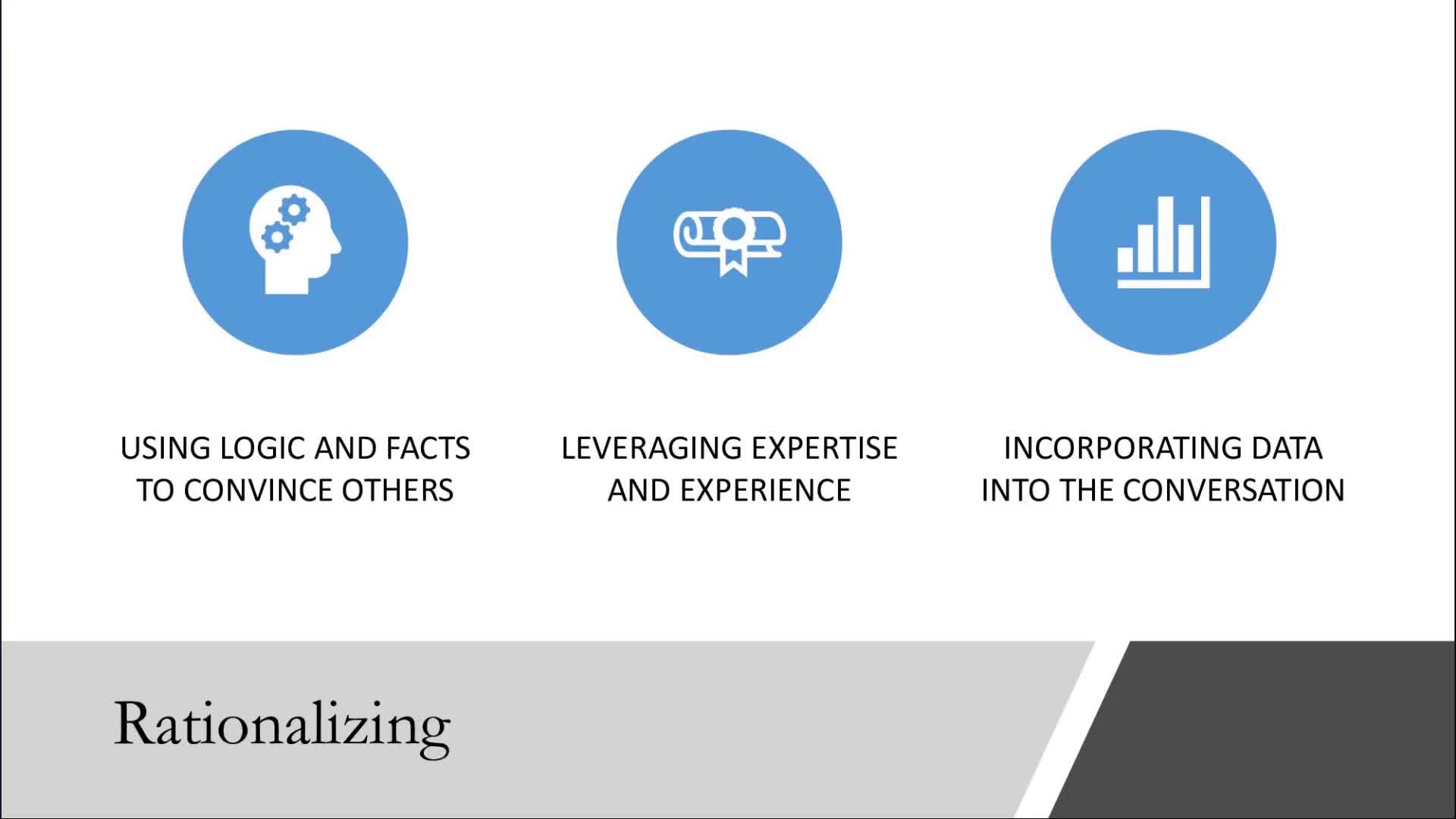 00:44:41
 00:55:35
 Jay Turner